- Walk into any serious produce conversation in Italy and two cantaloupe names come up repeatedly, Netted and Jolly.
- At BellaVita Foods, we have spent considerable time in the fields where both are grown.
- The difference between them is something we feel strongly about communicating clearly, not because one is better than the other, but because understanding them helps you make the right choice for the right purpose.
- Here is what we have learned directly from the source.
- The Netted Cantaloupe: Pure Italian Intensity Think of the Netted as the original.
Walk into any serious produce conversation in Italy and two cantaloupe names come up repeatedly, Netted and Jolly.
At BellaVita Foods, we have spent considerable time in the fields where both are grown. The difference between them is something we feel strongly about communicating clearly, not because one is better than the other, but because understanding them helps you make the right choice for the right purpose.
Here is what we have learned directly from the source.
The Netted Cantaloupe: Pure Italian Intensity
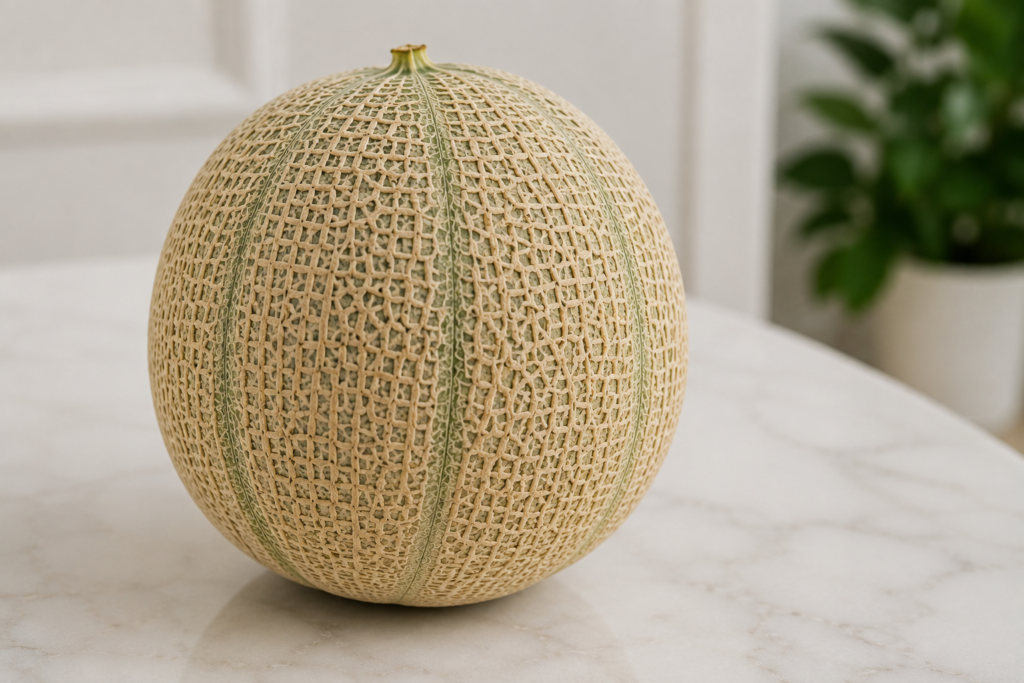
Think of the Netted as the original. Its rough, raised skin is the first thing you notice, but bring it close and the aroma hits you before the knife does. Deep, floral, musky, and unmistakably ripe. This is the kind of fragrance that stops people mid-step at a market stall.
That aroma comes from the Po Valley’s alluvial soil, clean mountain water, and long Mediterranean summers, conditions that push Brix levels to 14–16 at peak ripeness. For context, most commercially grown melons sit between 8 and 10. The flesh is deep orange, dense, and almost custard-like. Eat it fresh, eat it fast and enjoy every bite.
Quick facts:
- Rough, heavily netted skin
- Deep orange, dense flesh
- Brix 14–16
- Intense musky-floral aroma
- Short shelf life — best within days of harvest
The Jolly Cantaloupe: Italian Quality, Export Ready
The Jolly was developed to solve a real problem, how do you ship exceptional Italian cantaloupe across an ocean without losing what makes it special?
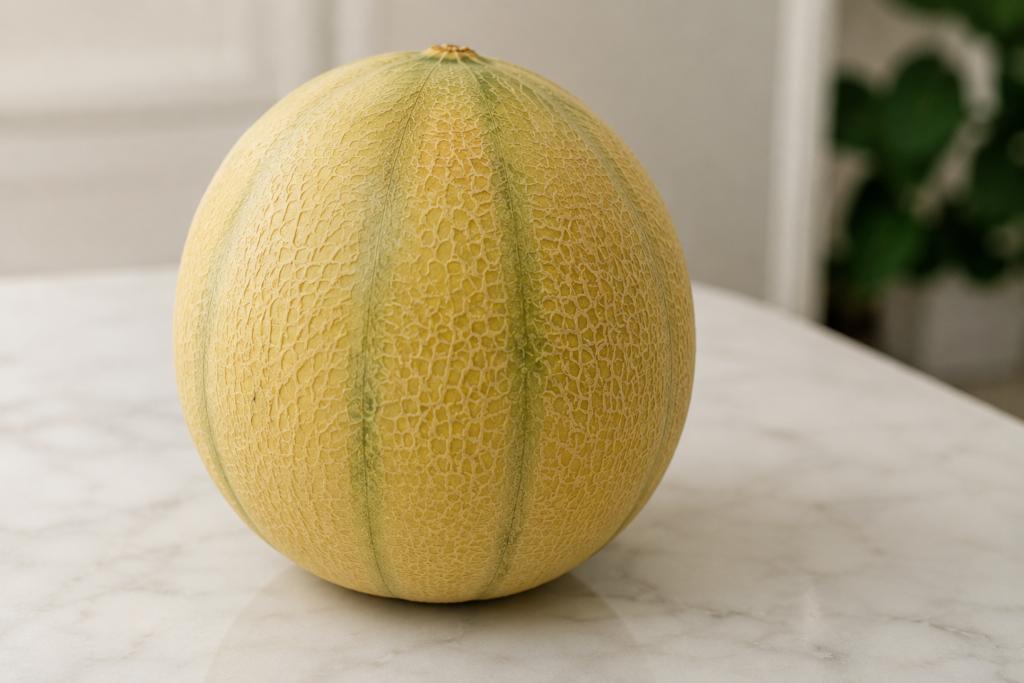
The answer lies in its structure. The Jolly has smoother skin, lighter netting, and a pale green-yellow exterior that turns golden when ripe. The flesh is a slightly lighter orange, and the aroma is cleaner and fresher — still noticeably superior to anything generic, but less aggressively musky than the Netted. Brix levels sit between 13 and 15, which remains well above global commercial standards.
Most importantly, the Jolly holds its quality significantly longer after harvest — making it the right melon for US distribution, where produce travels distances that would compromise a more delicate variety.
Quick facts:
- Smoother skin, lighter netting
- Light-medium orange flesh
- Brix 13–15
- Clean, fresh aroma
- Longer shelf life — built for export
Side by Side
Netted
Maximum sensory impact
Skin
Heavily netted, rough
Flesh
Deep orange, dense
Aroma
Intense, musky-floral
Brix
14 – 16 Very high
Shelf life
Short Eat quickly
Best for
Fresh local market
Jolly
Export-ready Italian quality
Skin
Lightly netted, smooth
Flesh
Light orange, firm
Aroma
Clean, fresh
Brix
13 – 15 High
Shelf life
Longer Export-friendly
Best for
Export, US retail
So Which One Is Right for You?
If your customer is buying at a farmers market or upscale grocer and consuming within a day or two, the Netted delivers an experience nothing else matches. If you are distributing across states or need reliable shelf performance without sacrificing Italian quality — the Jolly is your answer.
At BellaVita Foods, we source both directly from trusted Po Valley growers and bring them to the US market with full traceability. Because whether your customer gets the Netted or the Jolly, the experience should always be unmistakably Italian.
FAQ
Q1. What is the difference between Netted and Jolly cantaloupe?
Netted has rougher skin, deeper orange flesh, and a more intense aroma. Jolly is smoother, firmer, and better suited for export and longer shelf life.
Q2. Which cantaloupe is sweeter?
Both are exceptionally sweet. Netted has slightly higher Brix (14–16) versus Jolly (13–15), but both far exceed commercially grown alternatives.
Q3. How do I know when a cantaloupe is ripe?
For Netted, trust your nose — a strong floral aroma means it is ready. For Jolly, look for golden skin and gentle give at the stem end.
Q4. How should I store Italian cantaloupe?
Keep uncut cantaloupe at room temperature until ripe, then refrigerate and consume within two to three days for best flavor.
Q5. How do I best enjoy Italian cantaloupe?
Slice it cold, pair it with prosciutto, blend it into a chilled soup, or simply eat it as is — the quality speaks for itself without much preparation needed.
Whichever variety you choose, the Italian difference is always there. Discover it at bellavitafoods.com.