Citron
Step into the world of heritage citrus with Citron, one of the oldest and most aromatic members of the citrus family. Known for its thick, bumpy rind and minimal pulp, Citron is prized not for its juice but for its intensely fragrant zest and rind. Its bright, floral aroma and pleasantly sharp flavor make it a treasured ingredient in traditional Mediterranean, Middle Eastern, and Asian cuisines.
Citron is widely used in candied form, for flavoring liqueurs, in baked goods, and even in savory dishes. The peel can be preserved in sugar or salt, while the zest adds depth to marinades, sauces, and desserts. It’s also a symbol of health and ritual in many cultures, especially during festivals. Rich in vitamin C, essential oils, and antioxidants, Citron offers both culinary value and wellness benefits.
Grown in sun-drenched regions of Southern Italy and harvested with care, Citron brings old-world charm, vibrant flavor, and aromatic complexity to every kitchen.
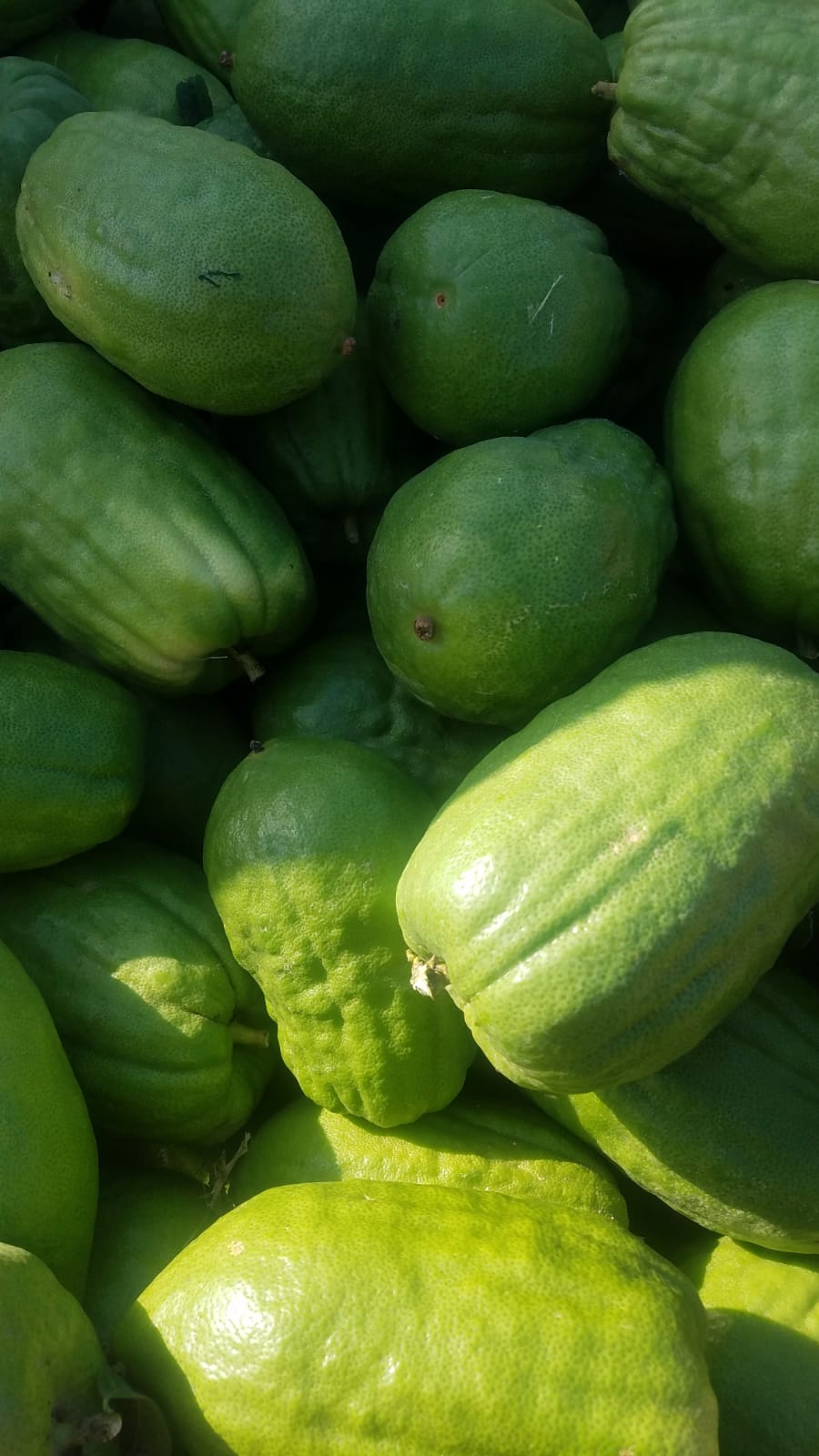
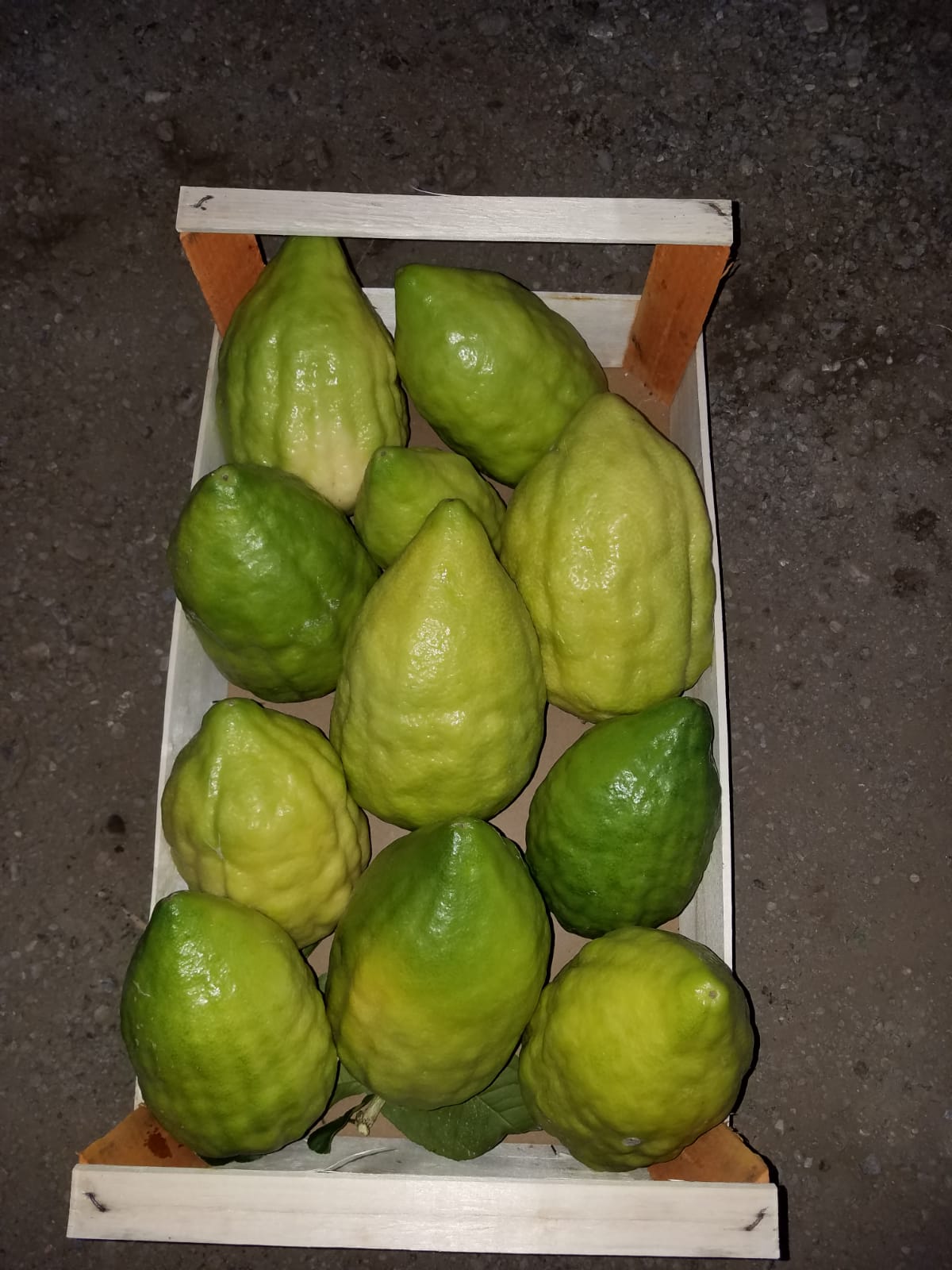
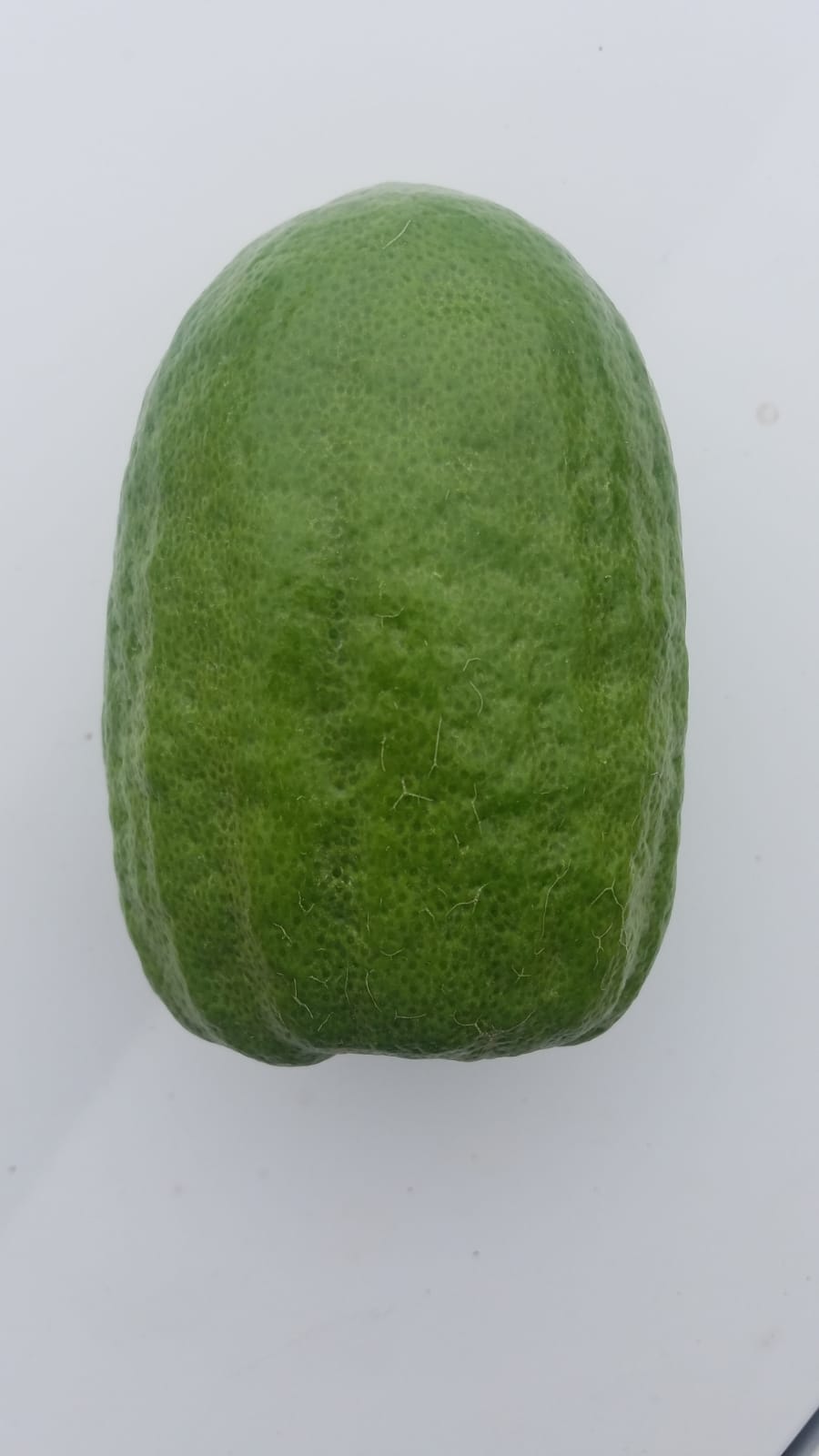

Citron presents a striking appearance with its large, oblong shape and distinctive thick, bumpy rind that ranges from bright yellow to pale green. The fruit can grow quite substantial in size, often reaching 6-10 inches in length, with a deeply textured, warty exterior that sets it apart from other citrus fruits. The rind dominates the fruit's composition, being extraordinarily thick and white underneath the colored outer layer, while the interior contains minimal pulp and juice.
The flavor profile of citron is intensely aromatic and highly fragrant, with the rind offering a complex blend of floral, lemony notes mixed with bitter and slightly sweet undertones. The thick white pith beneath the outer skin is surprisingly mild and slightly sweet, lacking the harsh bitterness found in other citrus peels. The small amount of pulp inside is extremely sour and acidic, but it's the rind that provides citron's most valued culinary contribution - an intensely perfumed essence that transforms when candied or preserved.
Citron holds a prestigious place in Italian culinary history, particularly in the southern regions of Calabria and Sicily, where it has been cultivated since ancient Roman times. Italian monks and farmers developed specialized growing techniques in the Mediterranean climate, creating some of the world's finest citron varieties, especially the famous Calabrian citron known as "cedro" which became essential to Italian confectionery traditions.
The fruit gained particular significance in Italian Jewish communities, where it became central to religious observances, especially during Sukkot celebrations. Italian citron growers developed expertise in producing the perfect specimens required for religious use, with Calabrian cedro earning international recognition for its quality and purity. This religious connection helped preserve traditional growing methods across centuries.
Italian artisans perfected the art of candying citron peel, transforming it into the beloved "cedro candito" that became essential to Italian holiday baking, particularly in panettone, cannoli, and other festive sweets. The tradition of citron cultivation and processing in Italy represents one of the oldest continuous agricultural practices in the Mediterranean, with Italian techniques and varieties still considered the gold standard worldwide for both religious and culinary applications.
Citron is treasured for its aromatic zest, thick pith, and unique nutritional profile. Here's the nutritional breakdown per 100 grams of Citron:
Citron Nutrition Facts |
|
|---|---|
| Vitamin C | 34.4 mg (38% DV) |
| Dietary Fiber | 4.8 g (19% DV) |
| Potassium | 384 mg (8% DV) |
| Folate | 15 mcg (4% DV) |
| Calories | 25 |
| Total Carbohydrate | 6.5 g (2% DV) |
| Sugar | 1.5 g |
| Protein | 0.5 g (1% DV) |
| Calcium | 40 mg (4% DV) |
| Magnesium | 12 mg (3% DV) |
| Total Fat | 0.1 g (0% DV) |
| Saturated Fat | 0.02 g (0% DV) |
| Cholesterol | 0 mg (0% DV) |
| Sodium | 2 mg (0% DV) |
| Iron | 0.6 mg (3% DV) |
| Phosphorus | 16 mg (2% DV) |
| Zinc | 0.05 mg (0% DV) |
| Manganese | 0.02 mg (1% DV) |
| Vitamin A | 2 IU (0% DV) |
| Vitamin K | 0 mcg (0% DV) |
| Beta-carotene | 1 mcg |
| Vitamin D | 0 mcg (0% DV) |
*Percent Daily Values are based on a 2,000 calorie diet. Your daily values may be higher or lower depending on your calorie needs.
Boosts Immune System
Rich in vitamin C providing 38% of daily needs, strengthening immune defenses and helping the body fight off infections and illnesses.
Promotes Digestive Health
High fiber content (19% DV) supports healthy digestion, prevents constipation, and promotes beneficial gut bacteria growth.
Supports Heart Health
Good source of potassium that helps regulate blood pressure and supports cardiovascular function, while fiber helps lower cholesterol levels.
Cellular Health Support
Contains folate essential for DNA synthesis and cell division, supporting healthy cell growth and repair throughout the body.
Weight Management Aid
Low in calories (only 25 per 100g) but high in fiber, helping you feel full longer while supporting healthy weight management goals.
BellaVita™ sources fresh Citron from premium farms in Italy and California.
Availability Calendar at BellaVita™
Peak Season: Late summer to winter (August through December), when Citron develops its thick aromatic pith and intense fragrance.
BellaVita™ offers several packaging options for our premium Citron :
Contact Us
For more information about our productsor to place an order, please contact us at: