Endive Frisée
Add a touch of elegance and bite to your dishes with Endive Frisée, also known as curly endive. With its finely curled, pale green to yellow leaves and crisp texture, Frisée brings both visual appeal and a pleasantly bitter edge to salads, appetizers, and gourmet plates. Its mildly peppery flavor balances beautifully with rich dressings, fruits, nuts, and soft cheeses.
Frisée is a classic ingredient in French cuisine, especially in composed salads like the iconic Salade Lyonnaise, where it pairs perfectly with poached eggs and warm vinaigrette. It’s also a nutritious addition to your meals—rich in fiber, folate, and vitamins A and K. Whether served raw or lightly wilted, Frisée adds both complexity and freshness to any dish.
Grown in ideal climates and carefully harvested for quality, Endive Frisée is a favorite among chefs and home cooks seeking refined flavor, texture, and visual flair on the plate.
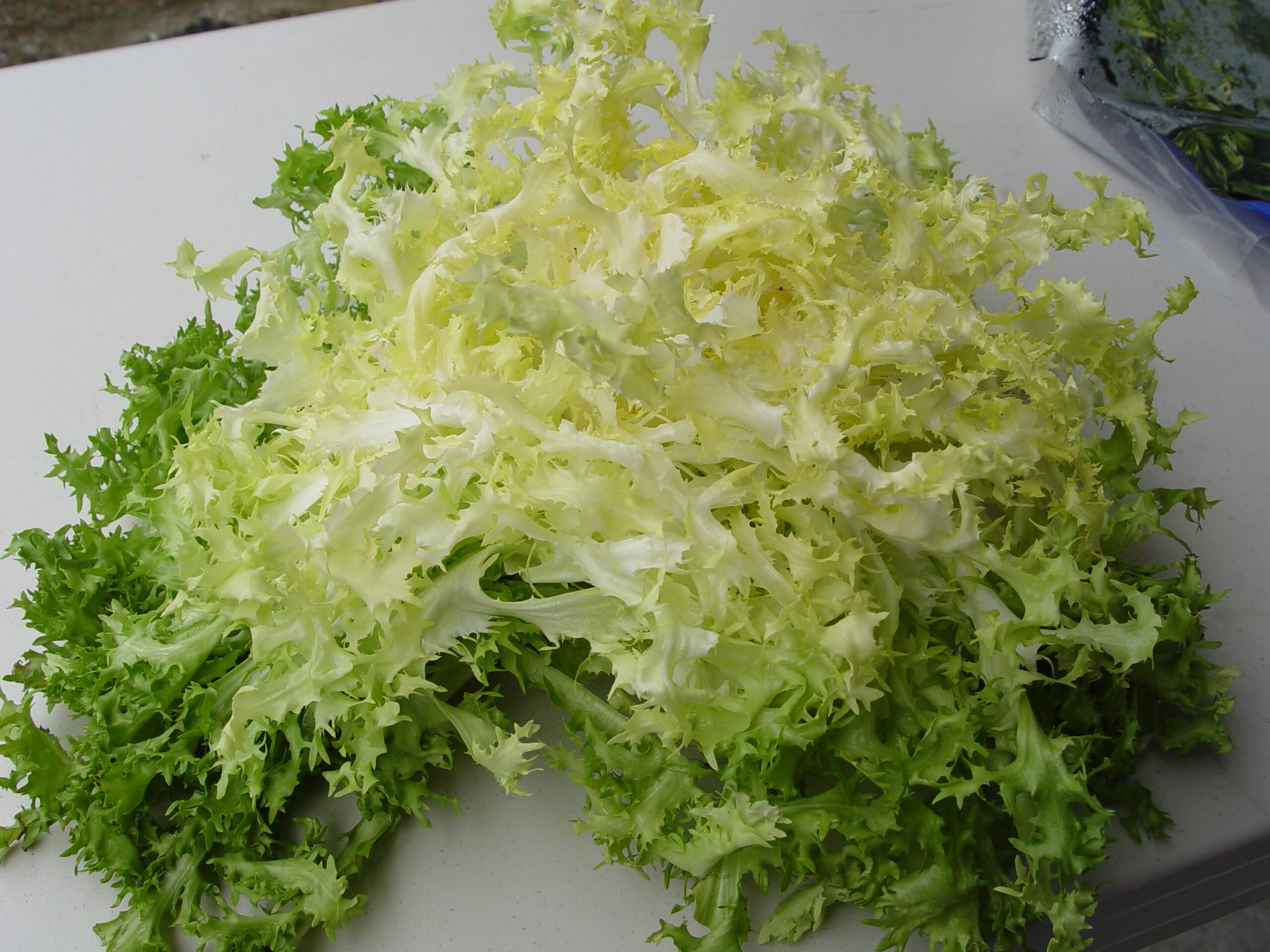
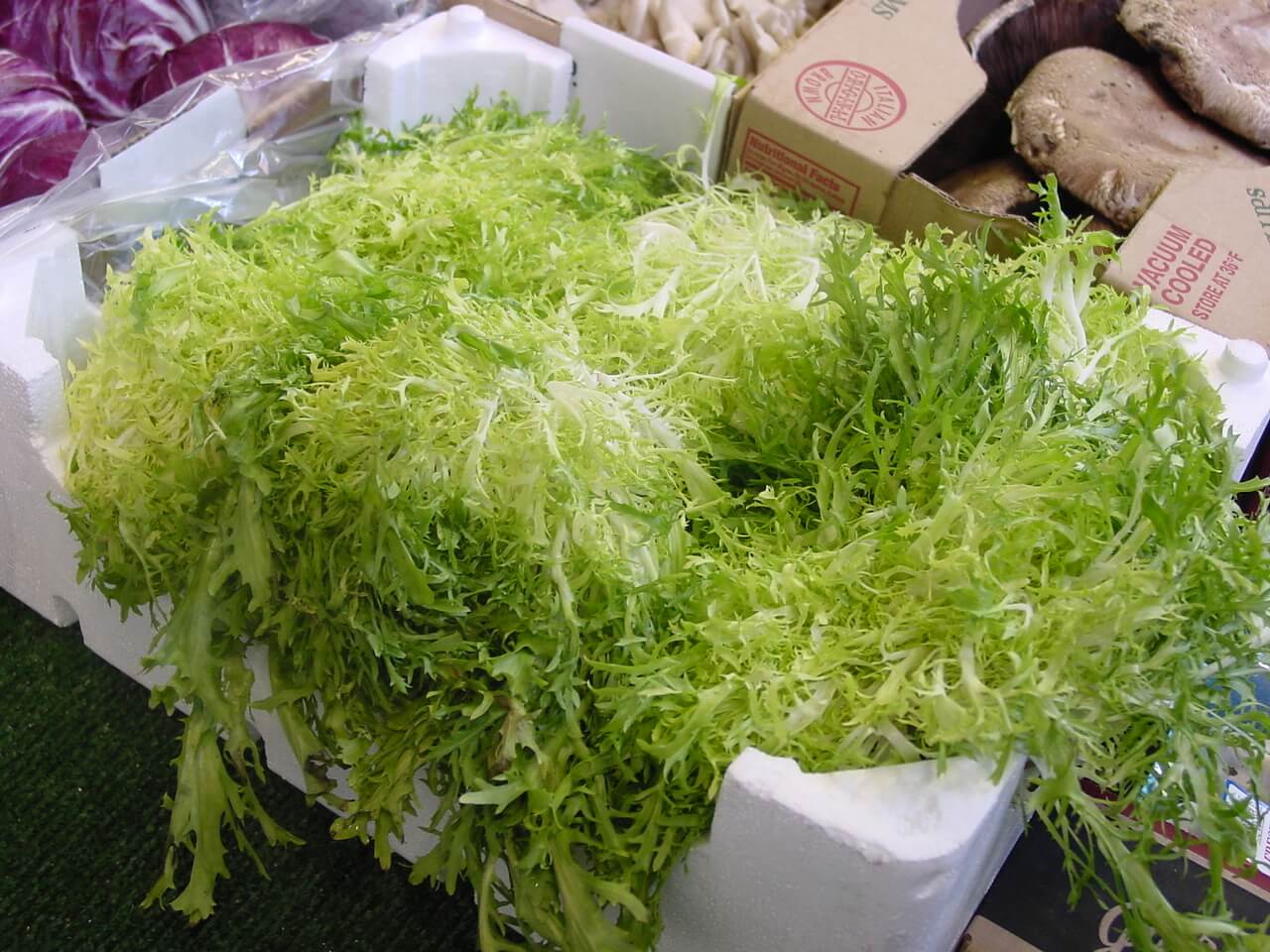
Endive frisée is instantly recognizable by its wild, feathery appearance with delicate, deeply serrated leaves that form an elegant, ruffled rosette. The outer leaves display a vibrant green color while the inner heart reveals beautiful pale yellow to creamy white leaves, creating a striking contrast that makes it a favorite for salad presentations. The leaves are thin and delicate with a lacy, almost frilly texture that gives the vegetable its distinctive "frisée" name, meaning "curled" in French.
The flavor of frisée delivers a pronounced bitter bite that's more intense than escarole, with a sharp, peppery edge that awakens the palate. The texture varies dramatically from the outer to inner leaves - the green outer portions offer a sturdy crunch with assertive bitterness, while the pale inner leaves provide a more tender, milder experience with subtle nutty undertones. This natural gradient of flavor and texture makes frisée particularly valued in composed salads where both elements can be showcased effectively.
Frisée endive has deep roots in Italian horticultural tradition, particularly in the northern regions of Veneto and Lombardy, where medieval monastery gardens first cultivated these delicate, curled varieties. Italian monks developed sophisticated growing techniques including the practice of blanching - covering the plants to create those prized pale, tender inner leaves that became synonymous with fine Italian cuisine. Historical records from the Renaissance period show that wealthy Italian families prized frisée as a delicacy, often serving it at elaborate banquets dressed simply with the finest olive oils and aged vinegars.
The cultivation of frisée became particularly refined in the Italian countryside during the 18th and 19th centuries, where regional varieties developed distinct characteristics based on local soil and climate conditions. Italian farmers perfected the art of forcing and blanching these endives in dark cellars or under clay pots, creating the tender, pale hearts that commanded premium prices in urban markets. This labor-intensive process became a mark of Italian agricultural craftsmanship, with the best producers gaining reputations that extended far beyond their local regions.
Italian culinary tradition embraced frisée not just as a salad green but as a versatile ingredient in regional specialties, particularly in northern Italian cuisine where it appeared in warm salads with pancetta and poached eggs, or as a bitter counterpoint to rich cheese and nut preparations. The vegetable's journey from Italian monastery gardens to international acclaim reflects the Italian dedication to agricultural excellence and culinary innovation, with traditional Italian growing and preparation methods still influencing how frisée is cultivated and enjoyed worldwide today.
Endive Frisée is treasured for its delicate, curly leaves, mildly bitter flavor, and impressive nutritional profile. Here's the nutritional breakdown per 100 grams of Endive Frisée:
Endive Frisée Nutrition Facts |
|
|---|---|
| Vitamin K | 298 mcg (248% DV) |
| Vitamin A | 2167 IU (43% DV) |
| Folate | 37 mcg (9% DV) |
| Vitamin C | 24 mg (27% DV) |
| Calories | 16 |
| Total Carbohydrate | 3.2 g (1% DV) |
| Dietary Fiber | 3.1 g (12% DV) |
| Protein | 1.3 g (3% DV) |
| Potassium | 420 mg (9% DV) |
| Calcium | 86 mg (9% DV) |
| Total Fat | 0.3 g (0% DV) |
| Saturated Fat | 0.1 g (0% DV) |
| Sugar | 0.2 g |
| Cholesterol | 0 mg (0% DV) |
| Sodium | 18 mg (1% DV) |
| Iron | 1.7 mg (9% DV) |
| Magnesium | 22 mg (5% DV) |
| Phosphorus | 28 mg (3% DV) |
| Zinc | 0.7 mg (5% DV) |
| Manganese | 0.8 mg (40% DV) |
| Beta-carotene | 1300 mcg |
| Vitamin D | 0 mcg (0% DV) |
*Percent Daily Values are based on a 2,000 calorie diet. Your daily values may be higher or lower depending on your calorie needs.
Exceptional Bone Health Support
Provides an outstanding 248% of daily vitamin K needs, essential for bone density and calcium absorption, helping prevent osteoporosis and fractures.
Powerful Antioxidant Protection
Rich in vitamin C and beta-carotene, providing strong antioxidant defense against free radicals and supporting immune system function.
Promotes Healthy Vision
Contains significant vitamin A and beta-carotene that support eye health, help maintain night vision, and may reduce risk of age-related macular degeneration.
Supports Heart Health
High potassium content helps regulate blood pressure, while the fiber and low sodium levels contribute to cardiovascular wellness and healthy circulation.
Weight Management Aid
Extremely low in calories (only 16 per 100g) but high in fiber, helping you feel satisfied while supporting healthy weight loss and digestive health.
BellaVita™ sources fresh Endive Frisée from premium farms in France and California.
Availability Calendar at BellaVita™
Peak Season: Cool months (September through April), when Endive Frisée develops its signature curly texture and delicate bitter taste.
BellaVita™ offers several packaging options for our premium Endive Frisée :
Contact Us
For more information about our productsor to place an order, please contact us at: