Bergamot
Discover the distinct and captivating essence of Bergamot, a rare citrus fruit primarily grown in the coastal region of Calabria, Italy. Known for its fragrant aroma and slightly bitter, floral flavor, bergamot is prized both for its culinary uses and its essential oil, famously used to flavor Earl Grey tea and in fine perfumery.
This citrus gem resembles a small orange with a yellow-green rind and is rich in antioxidants, polyphenols, and natural flavonoids. Bergamot can be used to add a sophisticated twist to marmalades, pastries, and sauces, or to infuse oils, teas, and beverages with its unmistakable scent and taste. It also has calming and digestive properties, making it a popular ingredient in wellness products.
Our bergamots are harvested with care to preserve their vibrant aroma and quality, delivering a truly authentic Mediterranean experience in every slice or drop.
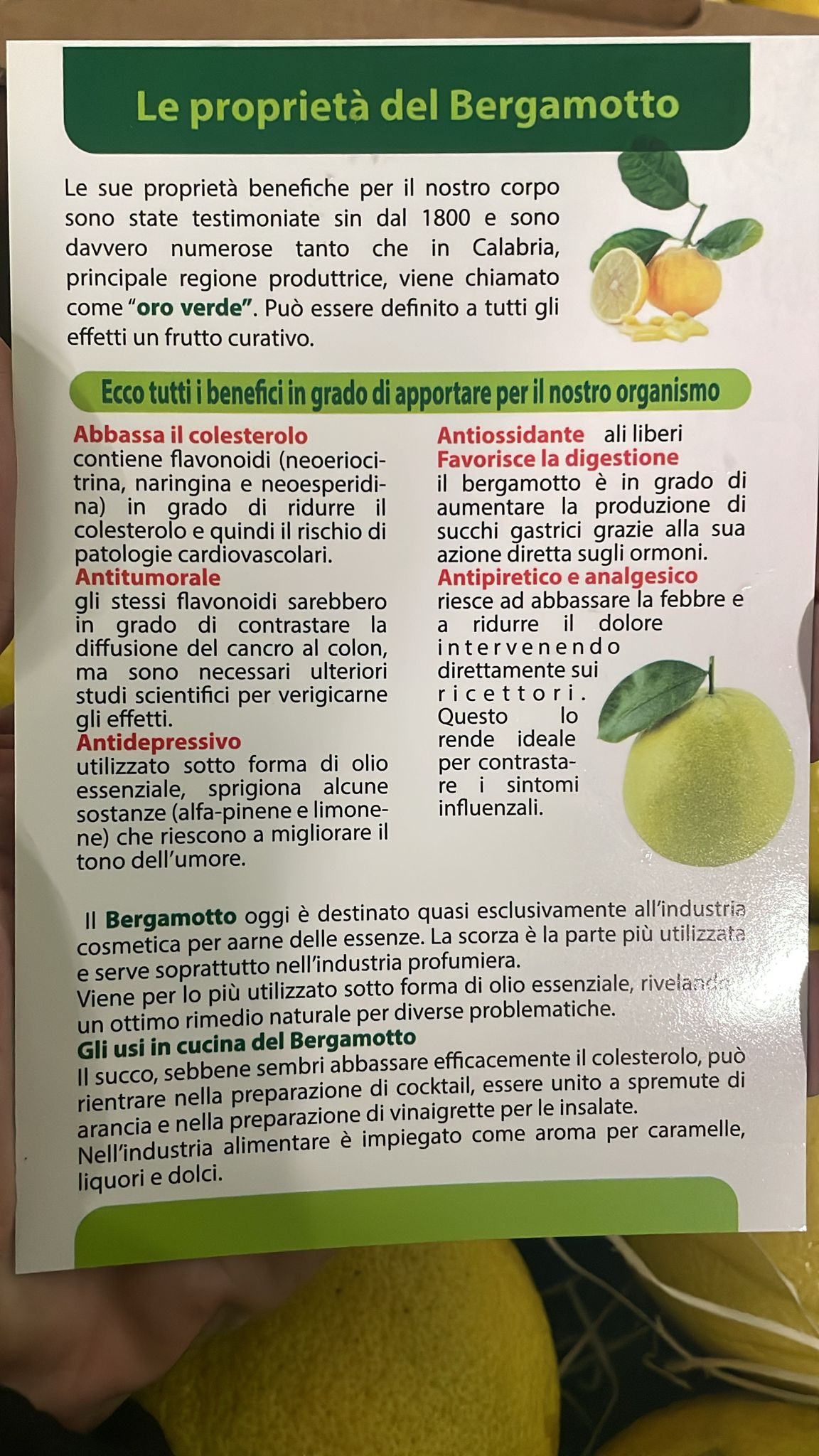
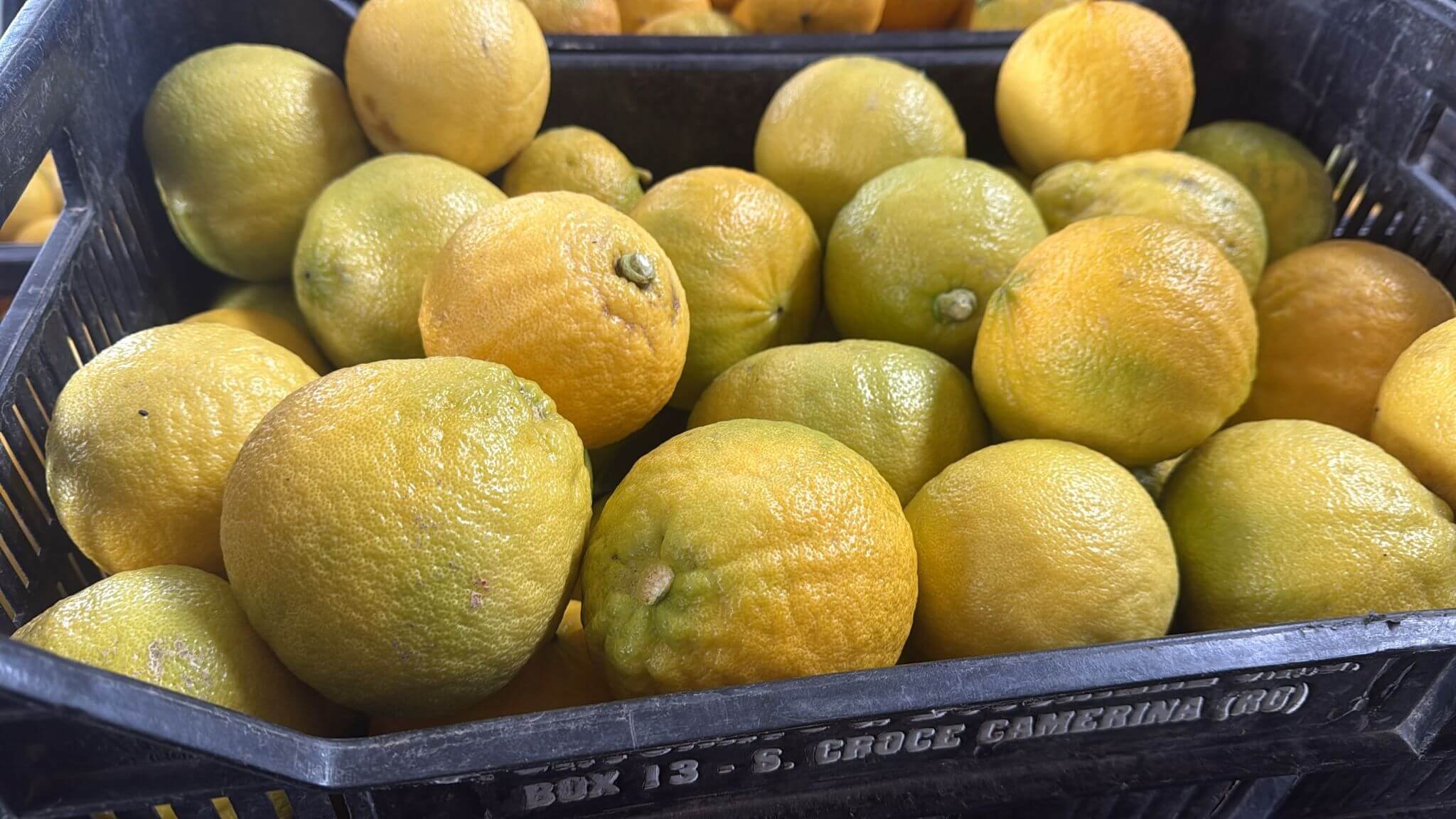
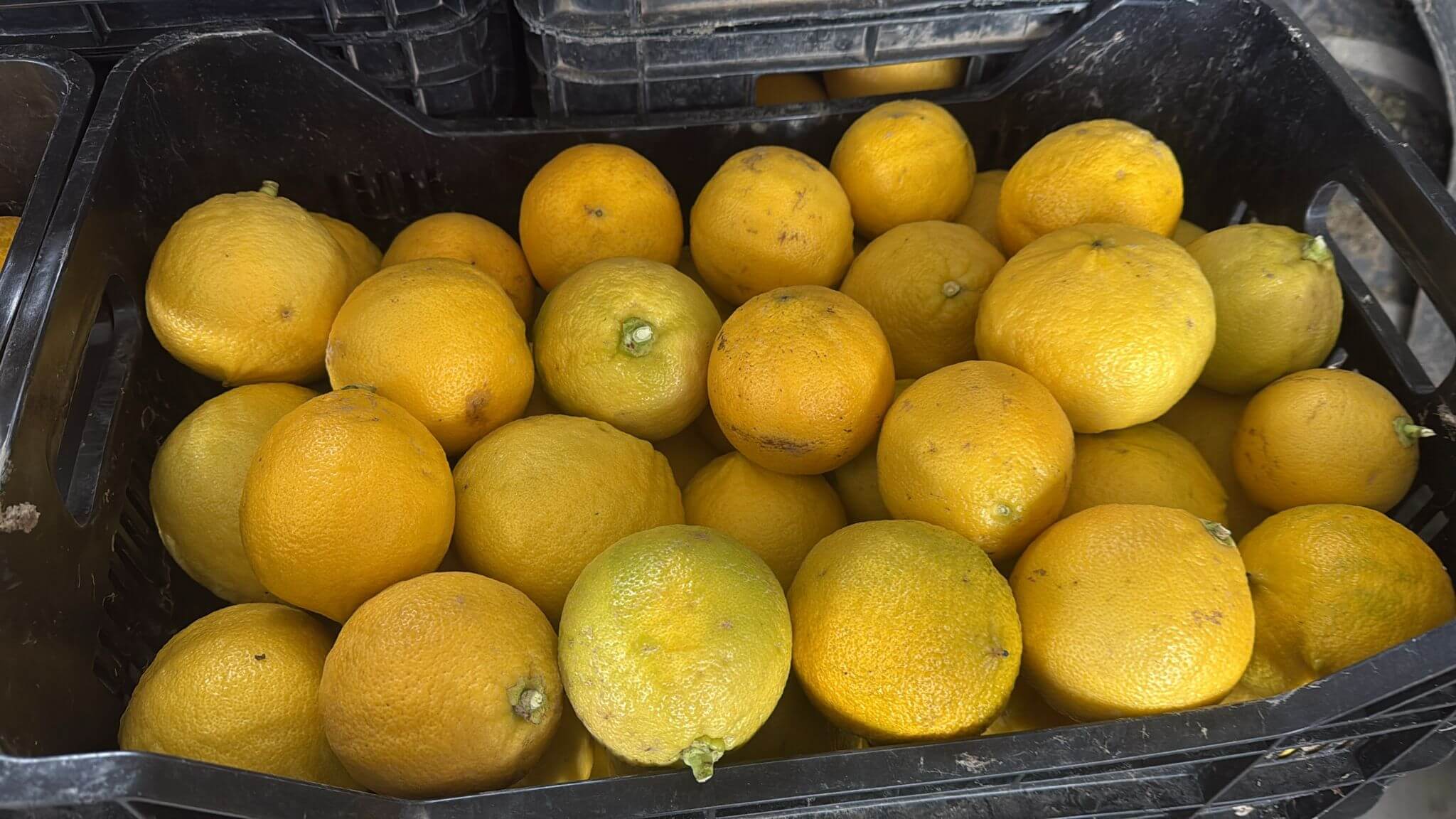
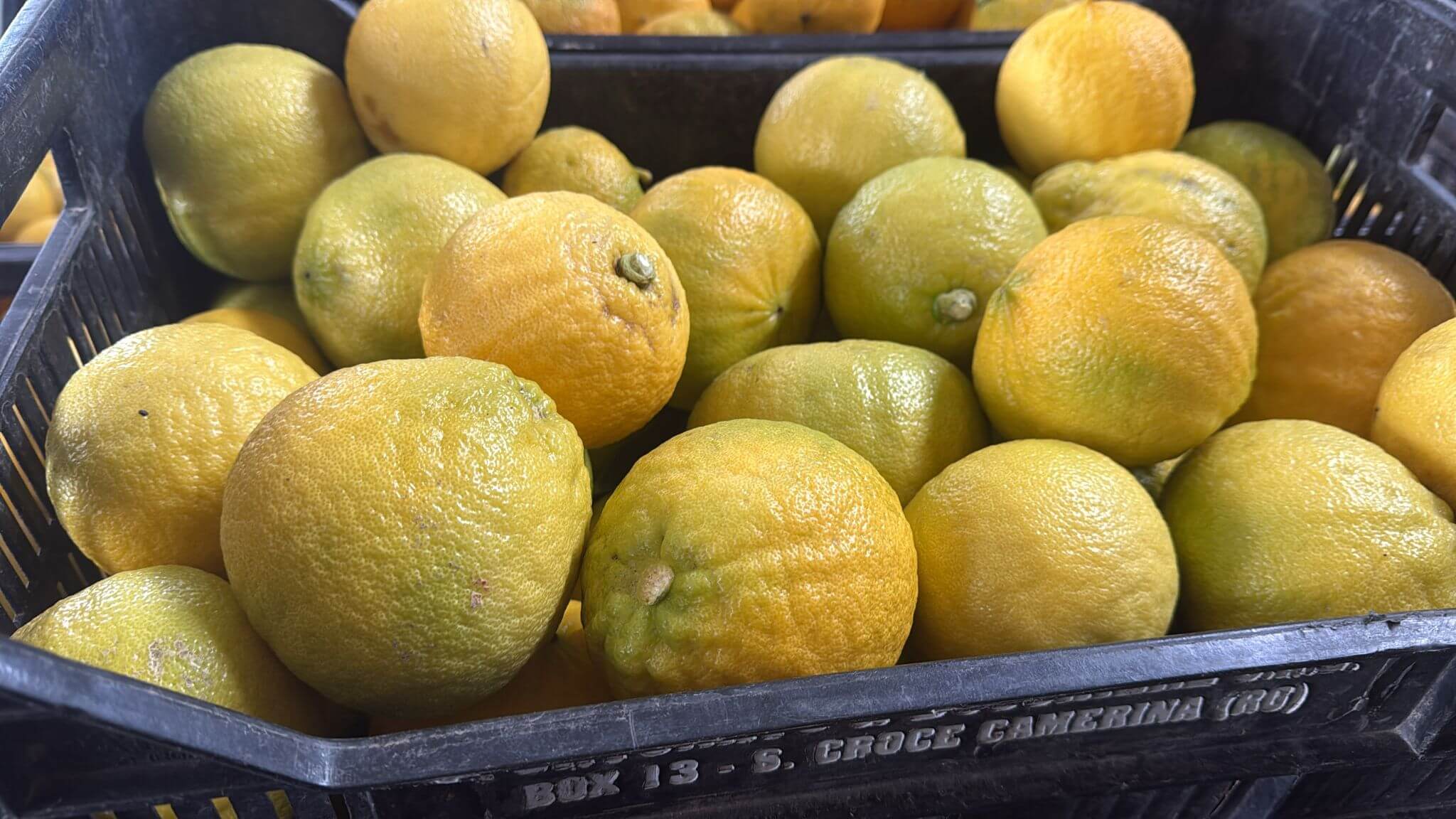
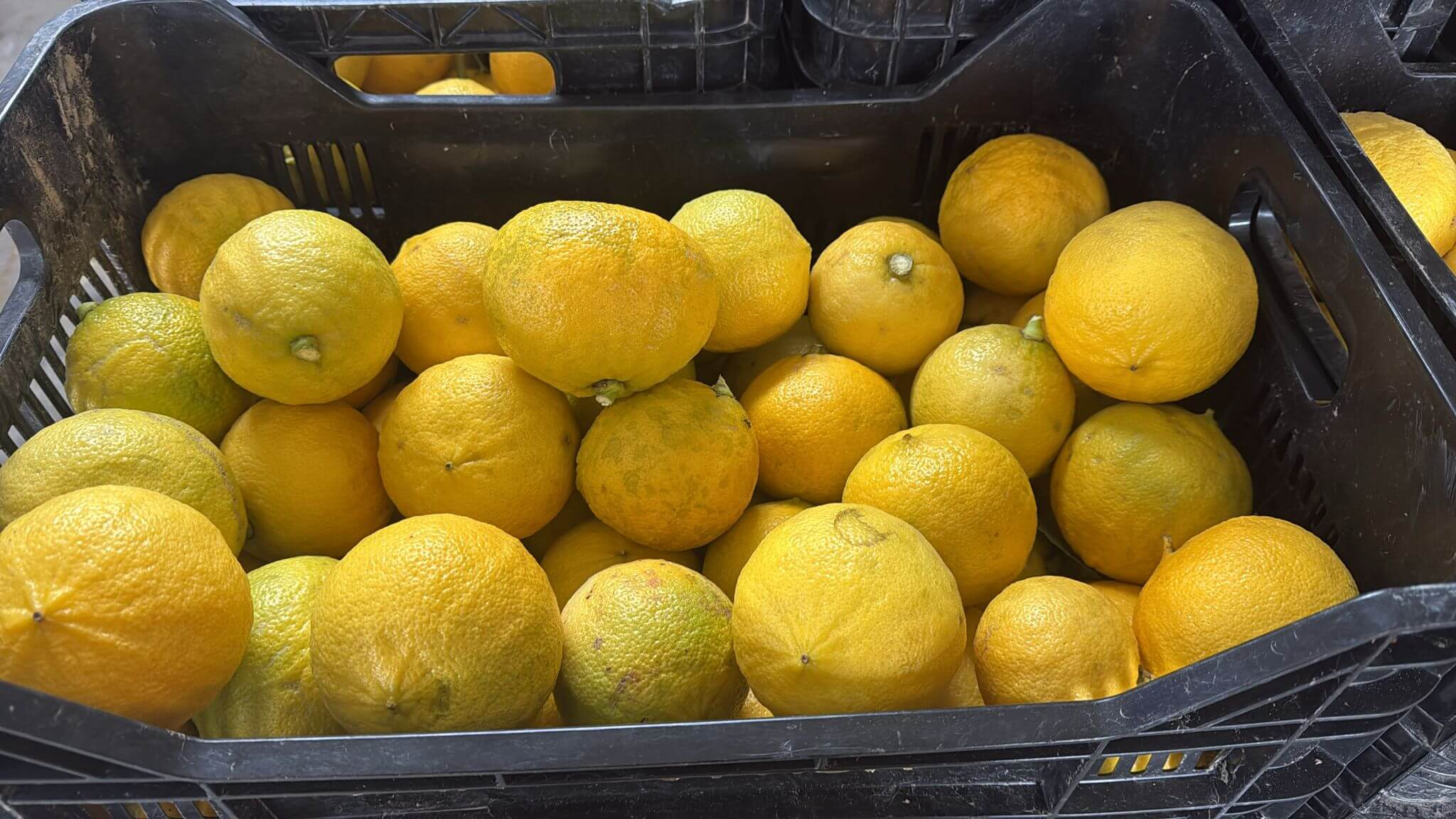
The bergamot is a small to medium-sized citrus fruit, typically ranging from the size of a golf ball to that of a small orange. Its skin displays a captivating transformation as it ripens, shifting from a vibrant lime green to a rich golden yellow, often with scattered patches of both colors creating a beautiful mottled effect. The rind is thick, slightly bumpy, and highly aromatic, releasing an intense, distinctive fragrance at the slightest touch. When cut open, the bergamot reveals a pale yellow to greenish flesh divided into segments, much like other citrus fruits, with a moderate amount of seeds.
In terms of flavor, bergamot offers a complex sensory experience that sets it apart from common citrus varieties. Its taste is an intriguing balance of bright acidity and profound bitterness, with subtle floral undertones that linger on the palate. While too intense and sour to enjoy raw like an orange, its unique flavor profile makes it invaluable in culinary applications, particularly in confectionery and as a flavoring agent. The fruit's texture is juicy yet firm, with vesicles that burst with aromatic oils, creating a distinctive mouthfeel that complements its powerful taste.
The bergamot orange (Citrus bergamia) has its roots deeply embedded in the sun-drenched landscapes of southern Italy, particularly in the coastal region of Calabria. Historical evidence suggests that this unique citrus emerged sometime in the late 15th century as a natural hybrid between bitter orange and either lime, lemon, or citron. While the exact parentage remains somewhat mysterious, Italian botanists have long claimed the bergamot as a distinctive Italian creation, born from the unique Mediterranean climate and soil conditions of the Calabrian coast.
The fruit gained prominence during the Renaissance period when Italian nobility discovered its remarkable aromatic properties. By the early 17th century, the bergamot had become treasured among Italian aristocracy, who commissioned specially crafted containers, known as "bergamotti," to hold handkerchiefs scented with the fruit's essential oil. The cultivation of bergamot became an art form passed down through generations of Calabrian farming families, who developed specialized techniques to nurture these temperamental trees. Local legends tell of secret bergamot orchards hidden in protected valleys, where only the most skilled growers were permitted to tend to these precious trees.
The bergamot's fame spread beyond Italy's borders when, in 1704, an Italian perfumer named Giovanni Maria Farina created a refreshing water scented with bergamot oil while living in Cologne, Germany. This creation, which he named "Eau de Cologne" after his adopted city, revolutionized the European perfume industry and established bergamot as an essential ingredient in fine fragrances. Despite its global journey, the fruit remains quintessentially Italian, with over 90% of the world's bergamot oil still produced in the narrow coastal strip of Calabria between the Ionian Sea and the Aspromonte mountains, where the unique microclimate creates the perfect conditions for these golden treasures to flourish.
Bergamot fruits are prized for their distinctive flavor and potential health benefits. Here's the nutritional breakdown per 100 grams of Bergamot:
Bergamot Nutrition Facts |
|
|---|---|
| Calories | 42 |
| Potassium | 148 mg (4% DV) |
| Dietary Fiber | 1.8 g (7% DV) |
| Vitamin C | 45% DV |
| Total Fat | 0.3 g (0% DV) |
| Saturated Fat | 0 g (0% DV) |
| Total Carbohydrate | 10.6 g (4% DV) |
| Sugar | 8.2 g |
| Protein | 0.7 g (1% DV) |
| Cholesterol | 0 mg (0% DV) |
| Sodium | 2 mg (0% DV) |
| Calcium | 3% DV |
| Iron | 1% DV |
| Vitamin D | 0% DV |
| Vitamin B6 | 3% DV |
| Cobalamin | 0% DV |
| Magnesium | 2% DV |
| Manganese | 1% DV |
| Copper | 2% DV |
| Folate | 3% DV |
| Polyphenols | 7-10% |
*Percent Daily Values are based on a 2,000 calorie diet. Your daily values may be higher or lower depending on your calorie needs.
Cardiovascular Support
Bergamot contains unique flavonoids like bruteridin and melitidin that have been shown to help maintain healthy cholesterol levels. Studies suggest that bergamot polyphenols may help reduce LDL (bad) cholesterol while increasing HDL (good) cholesterol, supporting overall heart health and cardiovascular function.
Potent Antioxidant Properties
Bergamot is rich in powerful antioxidants including naringin, neohesperidin, and neoeriocitrin. These compounds help protect cells from oxidative damage caused by free radicals, potentially reducing inflammation and lowering the risk of various chronic conditions and supporting immune system function.
Mood and Stress Management
The aromatic compounds in bergamot have been traditionally used to reduce stress and anxiety. Research suggests that bergamot essential oil may help balance neurotransmitters in the brain, potentially improving mood, reducing feelings of stress, and promoting relaxation without causing drowsiness.
Antimicrobial Properties
Bergamot contains natural compounds with antimicrobial properties, including linalool and linalyl acetate. These components have demonstrated effectiveness against various bacteria and fungi in laboratory studies, potentially supporting skin health and natural resistance to common pathogens.
Metabolic Health Support
Research suggests that bergamot polyphenols may help improve insulin sensitivity and glucose metabolism. These effects could potentially support healthy blood sugar levels and aid in managing metabolic health factors associated with metabolic syndrome, contributing to overall wellness and weight management.
BellaVita™ sources premium Bergamot from select orchards in Calabria, Southern Italy to ensure optimal quality and authenticity. These prized citrus fruits have specific growing seasons that influence their availability throughout the year:
Availability Calendar at BellaVita™
Peak Season: December through March (winter harvest), when Bergamot develops its characteristic intense fragrance, perfectly balanced tartness, and distinctive citrus flavor profile due to the unique microclimate of the narrow coastal strip along the Ionian Sea in Calabria.
BellaVita™ offers several packaging options for our premium Bergamot :
Contact Us
For more information about our productsor to place an order, please contact us at: