- Let’s Start There If you’ve ever sipped Earl Grey tea, you’ve already met bergamot — you just didn’t know it.
- That floral, slightly mysterious scent that makes the tea feel special?
- But here in Italy, we don’t just use it to flavour tea bags.
- We’ve been living with this extraordinary citrus for centuries, and honestly, the rest of the world is only just beginning to catch up.
- Bergamot (Citrus bergamia) looks a little like a small, lumpy lemon — pale yellow to green on the outside, with a thick, intensely aromatic rind.
What Even Is Bergamot? Let’s Start There
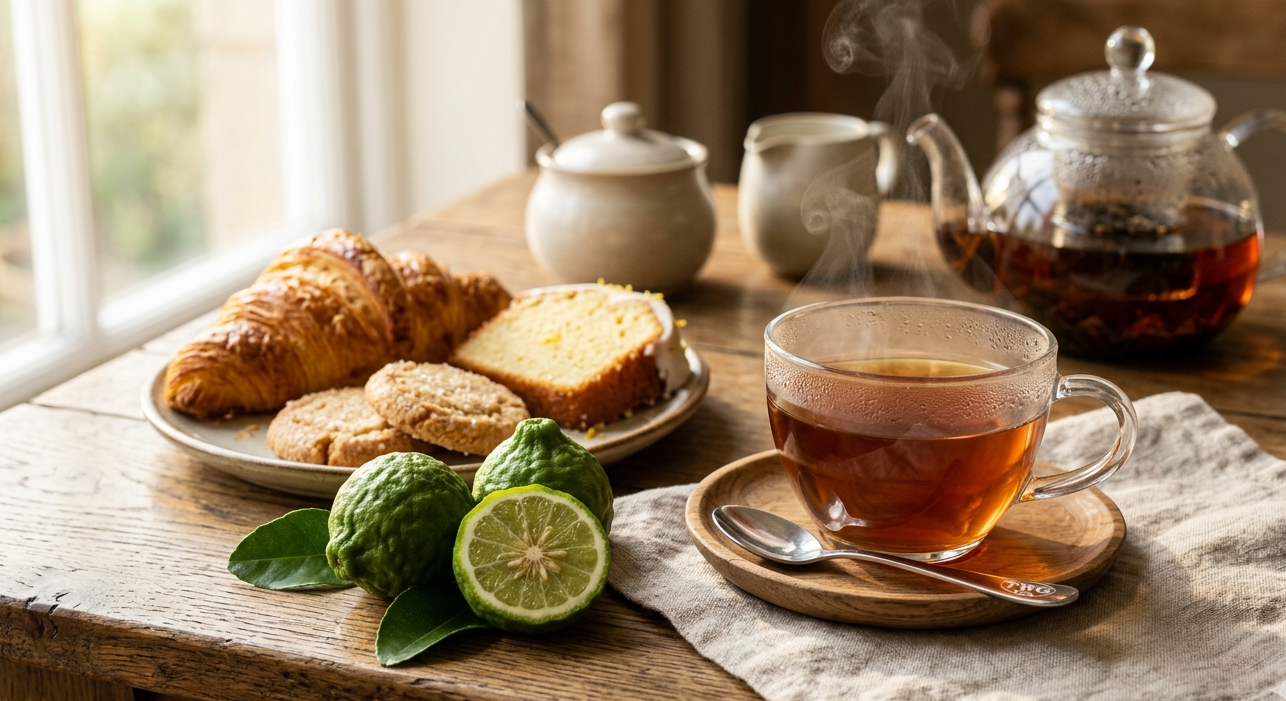
If you’ve ever sipped Earl Grey tea, you’ve already met bergamot, you just didn’t know it.
That floral, slightly mysterious scent that makes the tea feel special? That’s bergamot. But here in Italy, we don’t just use it to flavour tea bags. We’ve been living with this extraordinary citrus for centuries, and honestly, the rest of the world is only just beginning to catch up.
Bergamot (Citrus bergamia) looks a little like a small, lumpy lemon, pale yellow to green on the outside, with a thick, intensely aromatic rind. Bite into one raw and you’ll understand immediately why nobody eats it like an orange. It’s bracingly sour, almost bitter, and overwhelmingly fragrant.
But that’s exactly the point.
Bergamot isn’t a fruit you eat out of hand. It’s a fruit you use and once you understand how, everything changes.
A Fruit That Belongs to One Place

Here’s something most people don’t know: bergamot doesn’t grow just anywhere.
It’s deeply, almost stubbornly tied to one narrow strip of coastline — the Province of Reggio Calabria, at the very tip of Italy’s boot. The volcanic soil, the Mediterranean sun, the sea air, together they create conditions that simply can’t be replicated elsewhere in the world.
Farmers here have been cultivating bergamot since at least the 18th century, and there’s a quiet pride that surrounds it. No flashy marketing campaigns. No luxury rebranding. Just a fruit that quietly does what it’s always done — produce some of the most complex aromatic compounds found in nature.
“Did You Know?”
🌍 Over 80% of the world’s bergamot supply comes from a single province — Reggio Calabria, Italy.
What Does Bergamot Actually Taste Like?
Think somewhere between a lemon and a bitter orange, but with a floral depth that neither of those has.
The zest carries most of the magic. The essential oils in the rind are what perfumers and food producers are really after. The juice is sharp and aromatic — excellent in dressings, marinades, and cocktails when handled with a little care.
In Calabrese cooking, bergamot shows up in ways that surprise outsiders:
- Stirred into risotto for a fragrant, unexpected lift
- Folded into pastry cream for tarts and desserts
- Made into a vibrant marmalade that pairs beautifully with aged cheeses
- Distilled into a bergamot liqueur — smooth, intensely perfumed, the kind of digestivo that makes you understand why Italians take the end of a meal so seriously
Why Bergamot Is Having a Major Moment
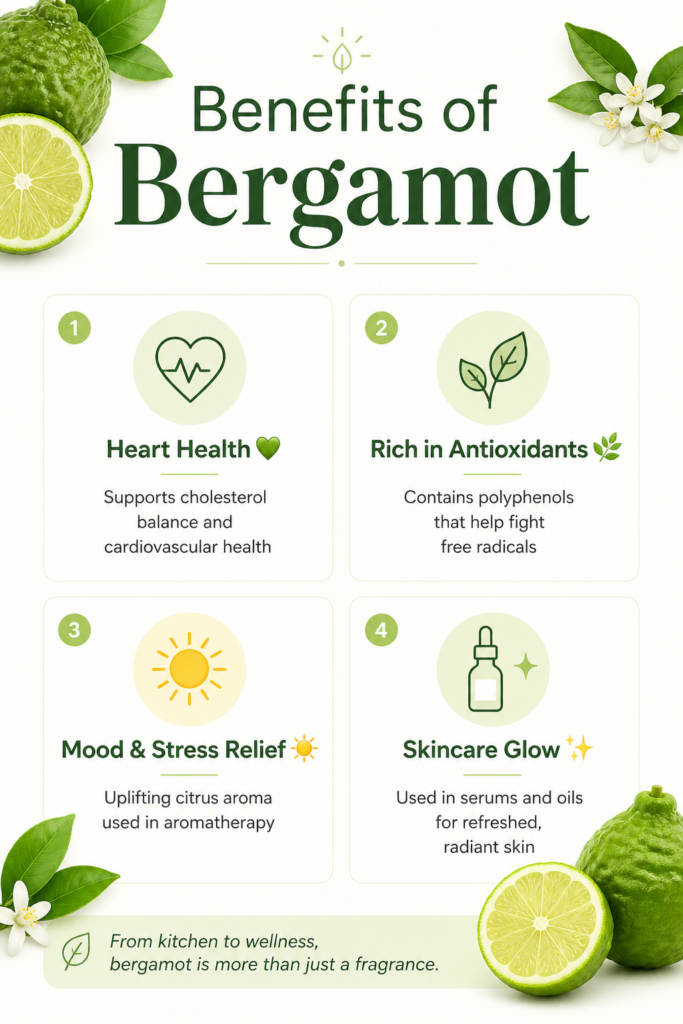
Beyond the kitchen, bergamot has carved out serious territory in health and wellness.
Research into its polyphenols has pointed to potential benefits for cholesterol management and cardiovascular health— bringing a whole new audience to a fruit that was already beloved by chefs and perfumers alike.
In fine fragrance, bergamot has been a cornerstone for decades. It’s one of the most widely used top notes in perfumery — light, bright, sophisticated. That same quality now appears in skincare, where bergamot extract turns up in serums, oils, and facial mists.
More Than a Fruit — A Piece of Italian Identity
To us, bergamot isn’t just a product. It’s proof that Italy’s agricultural heritage is genuinely irreplaceable.
There are flavours growing in specific Italian microclimates that exist nowhere else on earth. Bergamot is one of the finest examples.
When you bring it into your kitchen or your routine, you’re connecting to something real — a specific coastline, a specific tradition, a specific understanding that the best things take patience and the right conditions.
Curious about bergamot or other exceptional Italian ingredients? At Bella Vita Foods, we work directly with Italian growers to bring you seasonal produce that actually tastes like where it came from. Take a look at what’s in season, you might find your next favourite flavour.