
Picture a small kitchen in the Veneto on a November evening. A pan of radicchio sizzles in olive oil. Someone drizzles a little honey over it, tastes, and reaches for the salt. Nobody measures anything. They just know when it’s right.
That moment is the heart of Italian cooking. Italians don’t fear bitterness. They lean into it, then give it a sweet partner. Here’s how the idea works, and how you can use it at home.
Why Italians Love Bitter
Bitterness has a long history on the Italian table. Chicory, artichokes, bitter greens, and citrus peel all show up without apology. Even the aperitivo tradition opens the evening with a bitter drink, since it’s meant to wake the appetite.
Sweetness does the opposite job. It softens, rounds, and comforts. Put the two together and neither one wins. You get depth instead of one loud note. Honestly, it’s the first lesson we’d teach anyone new to Italian cooking: stop fighting the bitter.
Radicchio: The Best Place to Start
Radicchio is the best teacher, and it’s in season now. Raw, it’s sharp enough to make some people wince. Cook it, and everything changes. Heat mellows the bitterness while the edges caramelize and turn nutty.
Then add a sweet partner, such as honey, ripe pear, or a drizzle of aged balsamic. Toasted walnuts and creamy gorgonzola turn it into a full plate. Tardivo, the late Treviso type, is milder and sweeter. Precoce is the more bitter one. Try both and pick a favorite.
Agrodolce: Sweet and Sour in One Pan
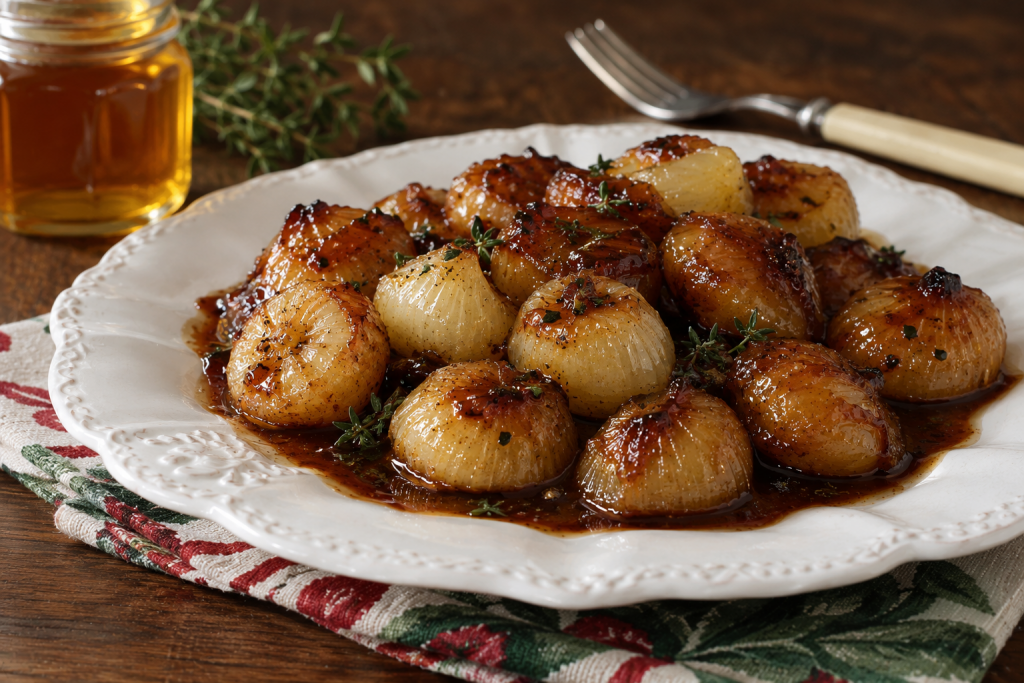
Agrodolce means “sweet and sour,” and it’s one of Italy’s oldest balancing tricks. Simmer vinegar with a little sugar until it turns glossy. Then add small, flat onions like Cipolline Borettane. They’re naturally sweet, so they soak up the sauce and turn tender and sticky.
Serve them beside roast meat or on a cheese board. This is the dish we’d hand to anyone who says they don’t like onions.
The Pumpkin Shortcut
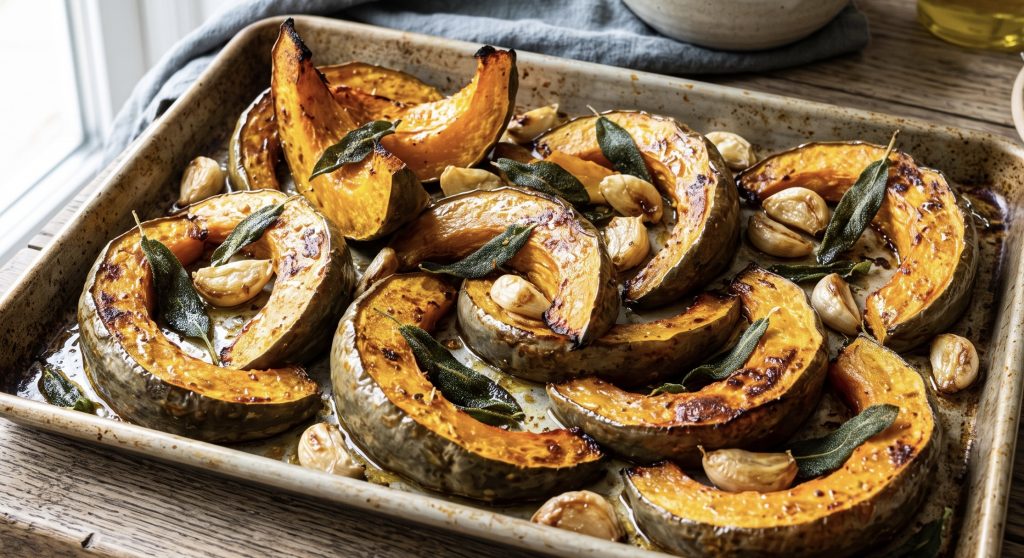
Autumn gives you an easy trick. Roast Delica pumpkin until its edges caramelize, then pile it onto bitter greens. The pumpkin brings the sugar, the greens bring the edge, and a squeeze of lemon pulls it together.
It’s a simple side, and it tastes like you tried much harder than you did.
Three Tools That Do the Balancing
Sweet isn’t the only fix. Italian cooks reach for three things:
- Sweetness: honey, caramelized onions, roasted pumpkin, ripe fruit, or balsamic.
- Fat: olive oil, butter, and cheese coat the tongue and soften bitter edges.
- Salt and acid: salt tones bitterness down, and lemon or vinegar brightens the dish.
You rarely need all three. One or two usually does it.
Quick Pairings
| Bitter or sharp | Sweet partner | Try it as |
|---|---|---|
| Radicchio | Honey, pear, balsamic | Grilled wedges or salad |
| Bitter greens | Roasted Delica pumpkin | Warm autumn side |
| Red wine vinegar | Cipolline Borettane | Agrodolce onions |
| Lemon zest | Cream, honey, ripe fruit | Dessert or risotto finish |
Our Simple Rules
- Taste first. Bitter greens vary, so adjust to what you have.
- Add sweet in small steps. A little goes a long way.
- Use heat. Roasting and grilling mellow bitterness fast.
- Finish with salt and acid. They sharpen everything you just balanced.
- Buy ripe, in-season produce. It carries natural sweetness, so you need less sugar.
Great balance starts with great ingredients. At BellaVita Foods, we bring Italian seasonal produce to the US, from sweet onions and aromatic lemons to dense pumpkins and radicchio. When the produce tastes right, the cooking gets easier.
Explore BellaVita’s Italian produce at bellavitafoods.com.