
- Pick up a Verdello lemon for the first time and your brain does something automatic.
- The green skin, the firm feel, the unfamiliar weight, everything about it triggers the same instinct you would have with any other fruit that has not yet become what it is supposed to be.
- You just have not met this kind of lemon before.
- The Lemon That Flowers Twice Most citrus trees follow one rhythm.
- The Femminello trees of eastern Sicily — the ones that produce the Verdello — do something completely different.
Pick up a Verdello lemon for the first time and your brain does something automatic. It says unripe. Put it down. The green skin, the firm feel, the unfamiliar weight, everything about it triggers the same instinct you would have with any other fruit that has not yet become what it is supposed to be.
Here is the thing. It already is what it is supposed to be. You just have not met this kind of lemon before.
The Lemon That Flowers Twice
Most citrus trees follow one rhythm. Flower in spring, fruit in winter. The Femminello trees of eastern Sicily — the ones that produce the Verdello — do something completely different. Farmers coax them through a specific combination of pruning and controlled irrigation stress, triggering a second flowering. This second flowering, called the verdellatura, produces fruit that ripens through summer and into early autumn.
What comes out the other side is the Verdello. A lemon that fills the gap between one year’s yellow season and the next. Moreover, it looks nothing like what most people expect a ripe lemon to look like.
The green colour is not a flaw. It simply happens when a lemon ripens under a hot Sicilian summer sky rather than cooler winter conditions. Chlorophyll stays in the skin. The fruit inside develops fully, builds its aroma, and arrives ready. The outside just never turns yellow and that is absolutely fine.
Less Juice. More of Everything Else.
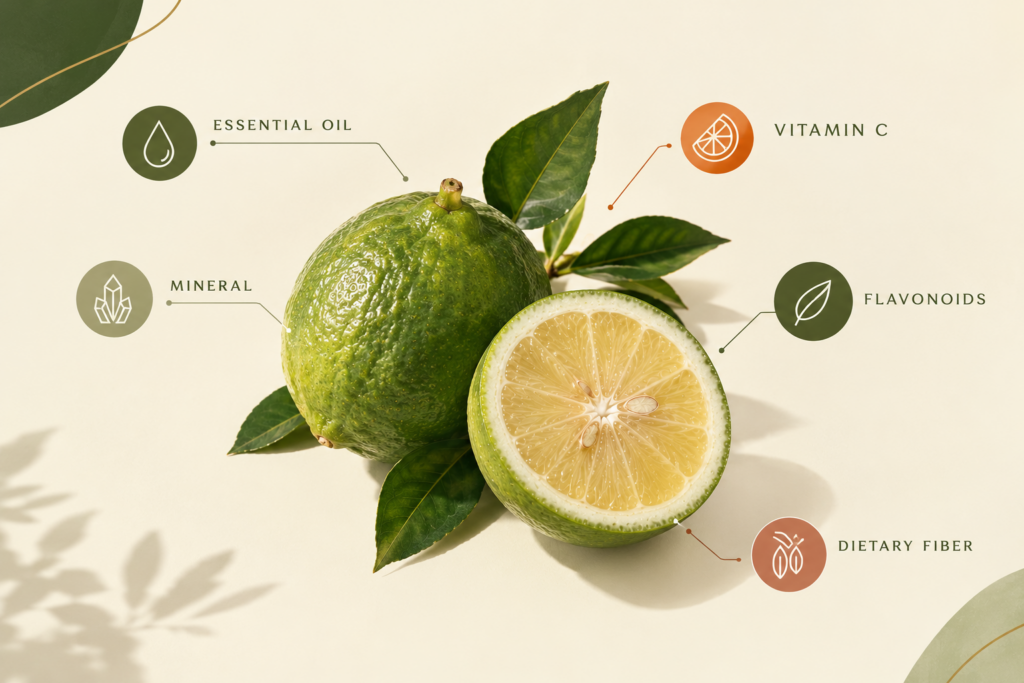
Here is the part that surprises people. The Verdello produces less juice than a standard winter lemon. On paper, that sounds like a disadvantage. In reality, it is completely beside the point.
The peel carries extraordinarily concentrated essential oils — rich in geraniol and nerol, compounds that produce a floral, almost fruity aromatic character that shares nothing with the sharp citric punch of a Primofiore. Cut one open and a softer, rounder, more layered scent comes out. Additionally, that scent lingers in a way that standard lemon juice simply does not.
Furthermore, because the peel holds the real value, growers who respect the Verdello avoid all post-harvest chemical treatments. They intend the skin for use. Zested over cold pasta, dropped into a cocktail, pressed against the rim of a glass — a small amount of Verdello peel does more interesting work than twice the juice of an ordinary lemon.
Consequently, chefs who discover it tend to reach for the zester before the squeezer. That single shift in approach changes everything.
Where It Comes From and Why That Matters
The main growing areas for Verdello run along the eastern coast of Sicily — specifically the communes of Acireale and Fiumefreddo in the province of Catania, and Avola and Noto in the province of Siracusa. This is volcanic coastal terrain, shaped directly by Mount Etna and facing the Ionian Sea.
The proximity to Etna matters more than it might seem. Mineral-rich volcanic soil, consistent sea breezes, and warm nights during the summer ripening period all actively shape the aromatic profile. Grow the same variety somewhere else and you get a different fruit entirely. Therefore, the place is not incidental — it is the ingredient itself.
What to Actually Do With One
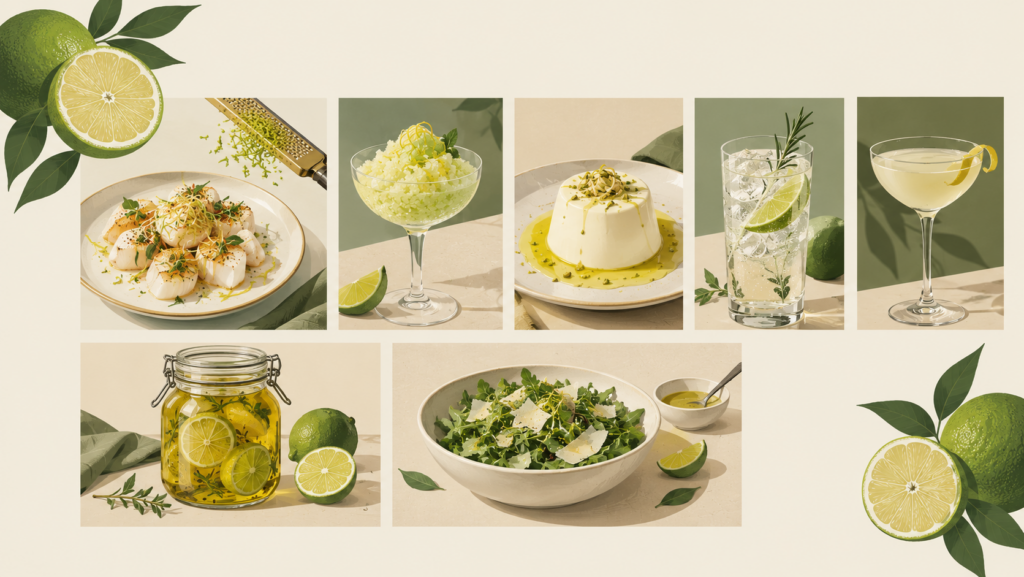
Start with the peel. Always start with the peel.
Zest it over cold seafood, into a summer granita, across a panna cotta, or into sparkling water with ice. Additionally, use it in cocktails where you want citrus presence without aggressive acidity. Slice it thin, drop it into olive oil for a week, and use that oil on everything. The juice works beautifully in dressings and marinades — anywhere a standard lemon would overpower rather than enhance. In short, think of it as the version you reach for when you want brightness without the bite.
The Lemon Most People Walk Past
The Verdello has earned a devoted following in northern Europe — Germany in particular has embraced it enthusiastically. The reason is simple: once someone smells one, the green skin stops being a question and starts being a conversation starter. That same story is ready to happen in the US market.
At BellaVita Foods, we bring authentic Sicilian Verdello lemons to the US market during their natural harvest window — untreated, fully aromatic, and ready to change how you think about citrus.
All you have to do is not put it down.
Explore BellaVita’s Italian citrus at bellavitafoods.com.