
- If you’ve ever tasted fruit in Italy, you already know, there’s something different about it.
- The flavors feel brighter, richer, and more alive.
- That’s especially true when it comes to mandarins.
- From a Sicilian perspective, mandarins aren’t just a snack.
- They’re part of daily life, family traditions, and seasonal rituals.
If you’ve ever tasted fruit in Italy, you already know, there’s something different about it. The flavors feel brighter, richer, and more alive. That’s especially true when it comes to mandarins.
From a Sicilian perspective, mandarins aren’t just a snack. They’re part of daily life, family traditions, and seasonal rituals. But how do Sicilian mandarins really compare to regular mandarins you find in US grocery stores?
Let’s break it down in a simple, honest way.
What Makes Sicilian Mandarins Special?
Sicilian mandarins are grown in one of the most unique agricultural regions in the world. The combination of Mediterranean sunshine, sea breeze, and volcanic soil from Mount Etna creates ideal growing conditions.
This environment gives the fruit a naturally intense aroma and a perfectly balanced taste—sweet, but never flat.
In Italy, we often say that the land speaks through the food. And in Sicily, that voice is bold and unmistakable.
If you’re looking to explore authentic Italian citrus products, you can browse collections directly on the Bella Vita Foods homepage:
https://www.bellavitafoods.com
What Are Regular Mandarins?
Regular mandarins are grown globally, including in the US, Spain, China, and other regions. They are typically cultivated for consistency, durability, and large-scale distribution.
That means they’re often bred to:
- Last longer on shelves
- Look uniform in size and color
- Travel well over long distances
They’re still tasty and convenient. But the focus is more on practicality than depth of flavor.
Key Differences You’ll Notice Immediately
1. Flavor Profile
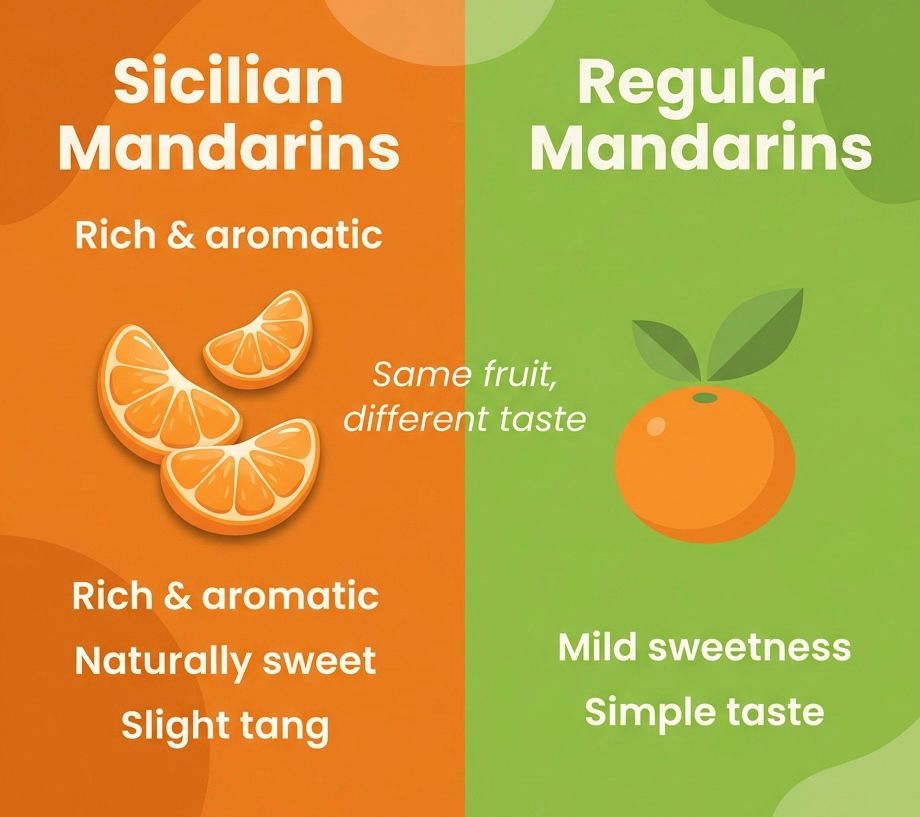
This is the biggest difference.
- Sicilian Mandarins: Rich, aromatic, and naturally sweet with a slight tang
- Regular Mandarins: Mild, straightforward sweetness
Sicilian mandarins have layers of flavor. You don’t just taste sweetness—you taste freshness, citrus oils, and a subtle complexity.
2. Aroma
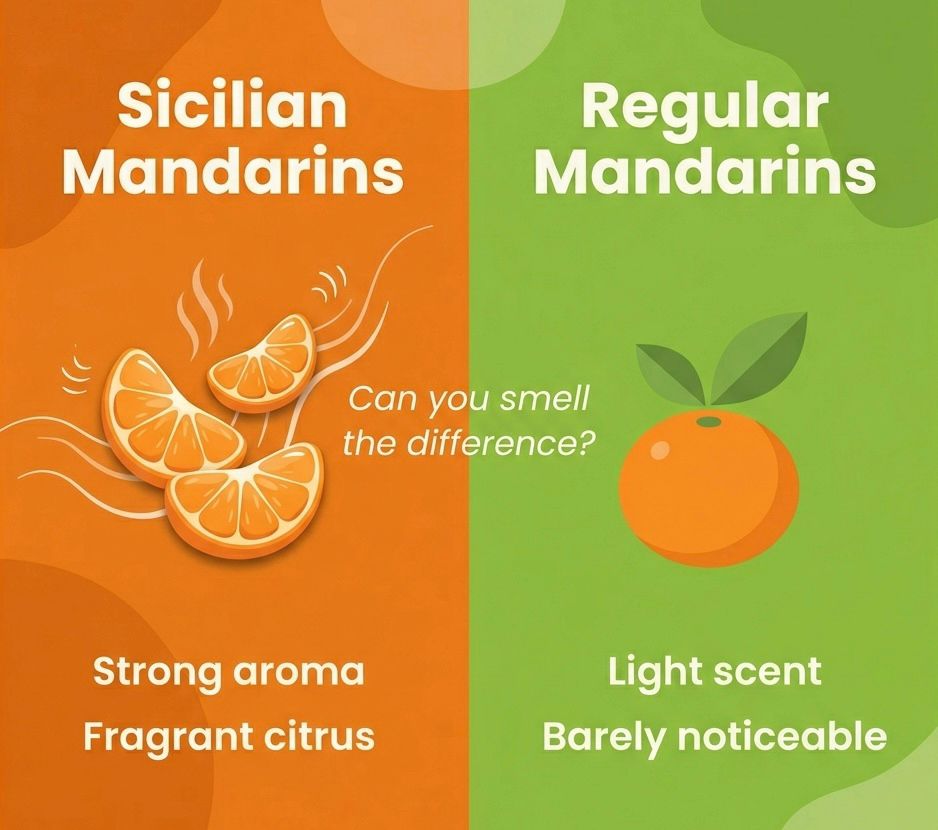
In Sicily, you can smell mandarins before you even peel them.
- Sicilian Mandarins: Strong, fragrant citrus aroma
- Regular Mandarins: Light or minimal scent
That fragrance is a sign of high-quality essential oils in the peel, which is why Sicilian citrus is often used in premium Italian products.
You’ll find that same attention to quality in curated selections like those available at: Bella Vita Foods
3. Growing Conditions (Terroir Matters)
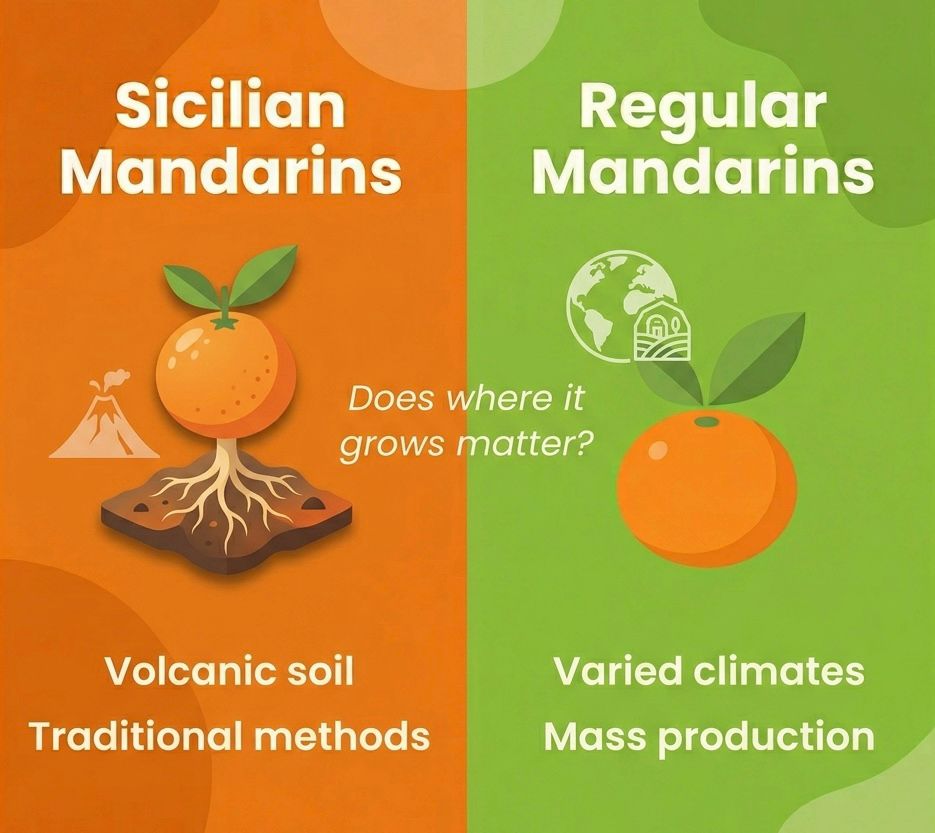
Italians care deeply about terroir—how land, climate, and tradition influence food.
- Sicilian Mandarins: Grown in volcanic soil with traditional methods
- Regular Mandarins: Grown in varied climates with modern mass-production techniques
That volcanic soil adds minerals that enhance both flavor and aroma.
4. Cultural Importance
In Sicily, mandarins are tied to winter, family gatherings, and festive meals.
They’re often served after dinner, shared during holidays, or used in homemade desserts. There’s emotion attached to them.
Regular mandarins, on the other hand, are more of an everyday convenience food.
5. Culinary Uses
Sicilian mandarins go far beyond just peeling and eating.
They’re used in:
- Cakes and pastries
- Marmalades
- Seafood dishes
- Liqueurs and syrups
Their intensity makes them versatile in Italian cooking.
So, Which One Is Better?
It depends on what you’re looking for.
If you want something quick, affordable, and easy—regular mandarins are perfectly fine.
But if you want something memorable, something that reflects tradition and craftsmanship, Sicilian mandarins stand out.
They’re not just fruit. They’re an experience shaped by land, culture, and time.
Final Thoughts
From an Italian perspective, food should never feel ordinary. Even something as simple as a mandarin can tell a story.
Sicilian mandarins offer more than sweetness—they offer character, aroma, and authenticity. Once you taste the difference, it’s hard to go back.
So next time you’re choosing between the two, ask yourself:
Do you want convenience, or do you want a true taste of Italy?