- Italian cuisine is often celebrated for pasta, pizza, and cheese.
- Yet at its heart, Italian cooking is deeply rooted in vegetables.
- From the sun-drenched fields of Sicily to the Alpine gardens of the north, vegetables shape everyday meals across Italy.
- The art of cooking vegetables the Italian way is not about hiding them under heavy sauces.
- It is about honoring their natural flavor, seasonality, and simplicity.
Italian cuisine is often celebrated for pasta, pizza, and cheese. Yet at its heart, Italian cooking is deeply rooted in vegetables. From the sun-drenched fields of Sicily to the Alpine gardens of the north, vegetables shape everyday meals across Italy. The art of cooking vegetables the Italian way is not about hiding them under heavy sauces. It is about honoring their natural flavor, seasonality, and simplicity.
In Italy, vegetables are not just side dishes. They are central to the table. The concept of cucina povera, or “peasant cooking,” transformed humble ingredients like zucchini, eggplant, artichokes, and tomatoes into unforgettable dishes. This tradition teaches an important culinary insight: great flavor does not require complexity. It requires respect for ingredients.
Seasonality Is the Foundation
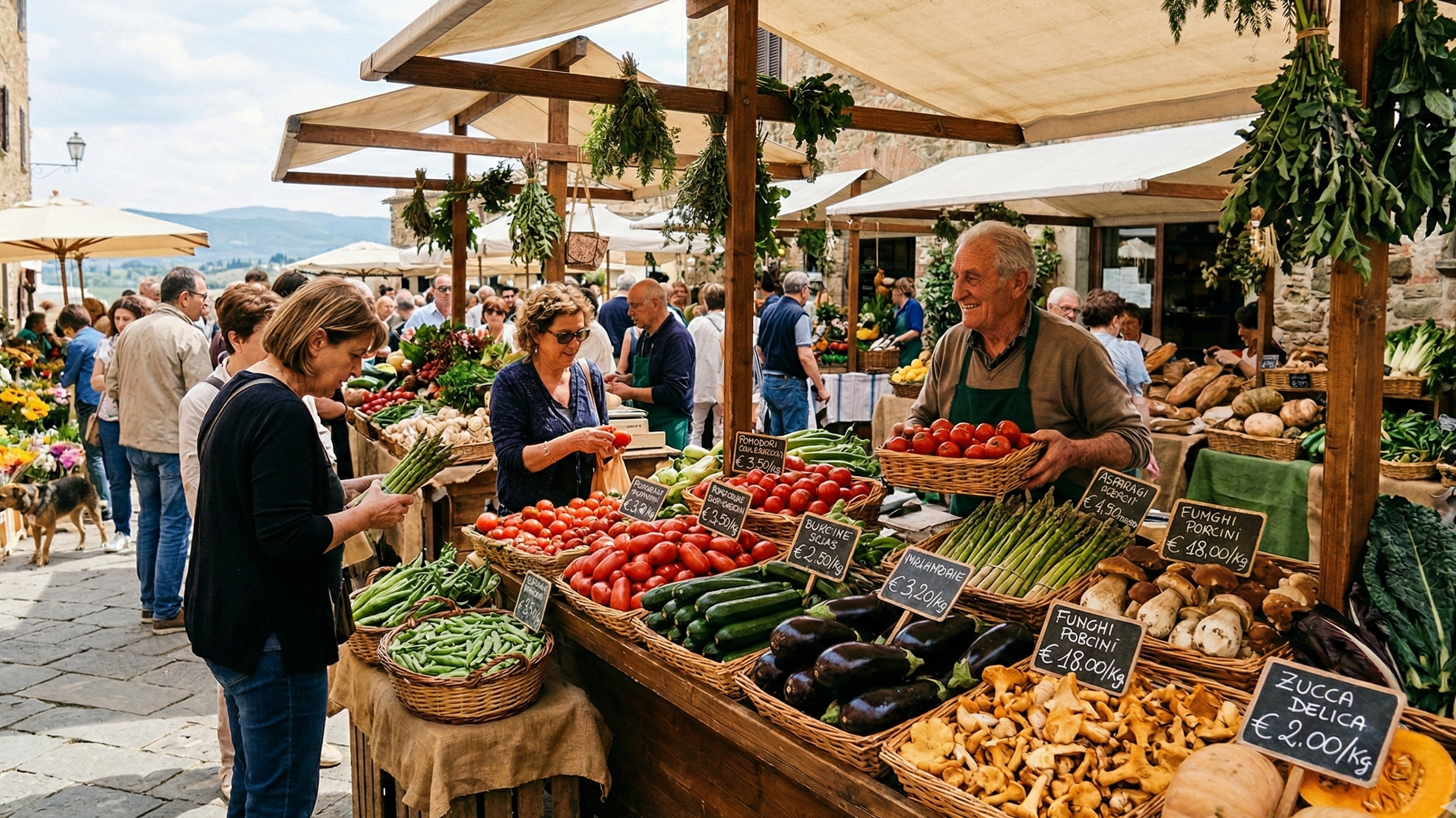
One of the most important principles in Italian vegetable cooking is seasonality. Italians shop at local markets and plan meals around what is fresh. Spring brings asparagus and peas. Summer offers tomatoes, zucchini, and eggplant. Autumn highlights mushrooms and squash. Winter leans into leafy greens like kale and chicory.
Cooking with seasonal vegetables does more than improve flavor. It also preserves nutrients and supports local agriculture. When tomatoes are in peak season, they are sweet, vibrant, and need little more than olive oil and salt. Out of season, no amount of seasoning can replicate that depth.
Simplicity Over Excess
If you look at classic Italian vegetable dishes, the ingredient list is often short. Olive oil, garlic, sea salt, and fresh herbs like basil or rosemary are common companions. The goal is to enhance, not overpower.
Take melanzane alla parmigiana, known internationally as eggplant Parmesan. In Italy, this dish focuses on lightly fried or baked eggplant layered with tomato sauce and fresh cheese. The eggplant remains the star. The sauce supports it. This balance is the essence of Italian vegetable cookery.
Cooking Techniques That Matter
Italian cooking techniques for vegetables are intentional and precise. Sautéing in extra virgin olive oil preserves texture. Roasting intensifies sweetness. Grilling adds smokiness without masking natural flavors.
Blanching is another widely used technique. Green vegetables like broccoli or green beans are briefly boiled and then cooled quickly to maintain color and crunch. This simple method keeps vegetables vibrant and nutrient-rich.
Braising is common for tougher vegetables like fennel or artichokes. Slow cooking in olive oil, white wine, and herbs softens fibers and deepens flavor. These techniques reflect patience and care, qualities central to Italian food culture.
The Role of Olive Oil
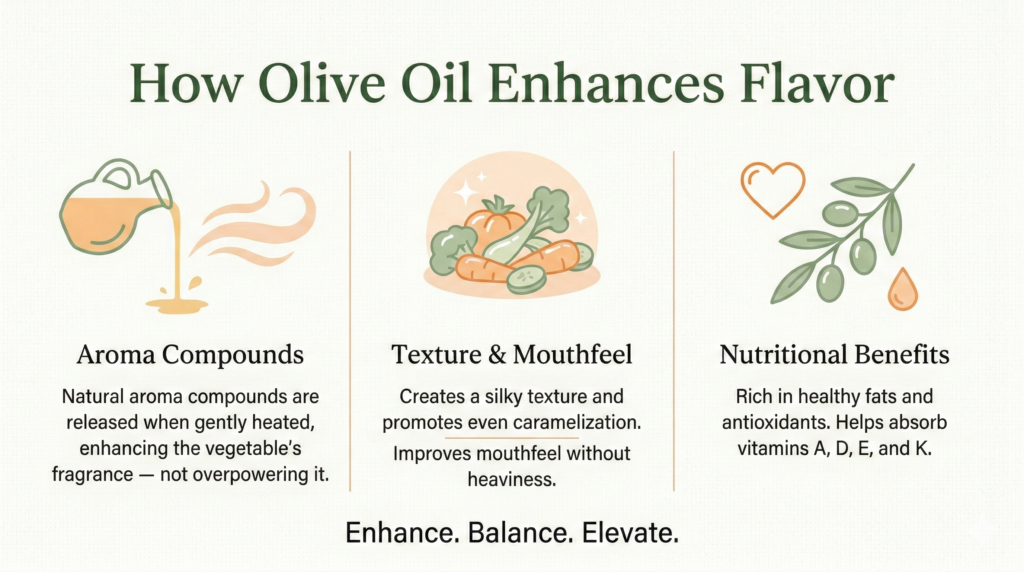
No discussion about Italian vegetables is complete without olive oil. Extra virgin olive oil is not just a cooking fat; it is a flavor enhancer. In many regions of Italy, olive oil varies in taste depending on the olives and climate. Some oils are peppery and bold, others smooth and buttery.
Drizzling raw olive oil over grilled vegetables just before serving adds aroma and richness. This finishing touch is common across Italian households and elevates even the simplest dish.
Vegetables as the Main Event
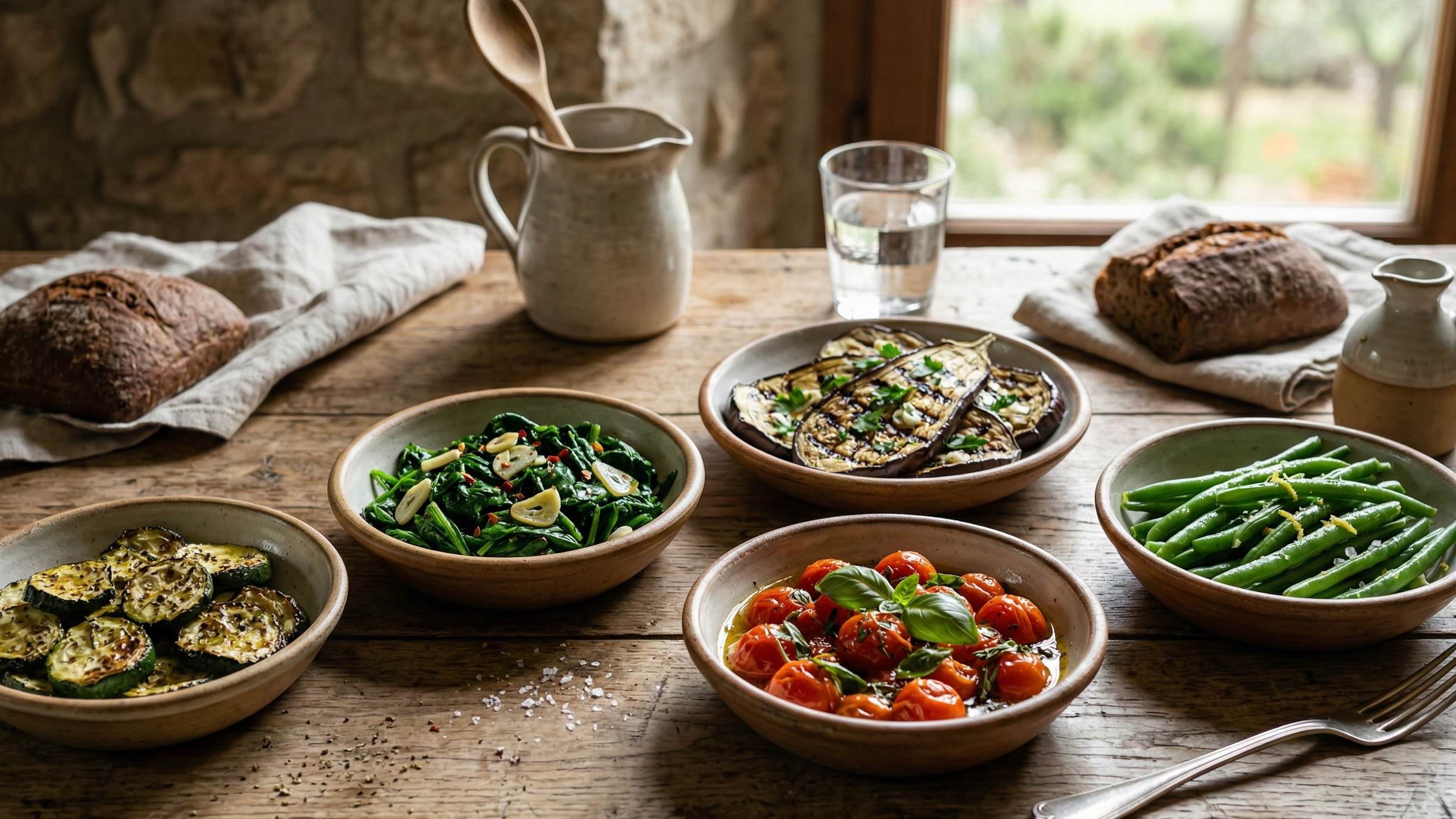
In many traditional Italian meals, vegetables are served as contorni (side dishes), but they are rarely secondary in importance. Dishes like stuffed zucchini flowers or braised artichokes can stand alone. Even a simple plate of roasted peppers with garlic can feel complete.
This approach reflects a cultural mindset. Italian meals are about balance. Vegetables provide freshness and contrast to pasta or meat. They also encourage mindful eating, where each ingredient is appreciated.
Regional Identity Through Vegetables
Italy’s geography shapes its vegetable dishes. In the south, especially in regions like Sicily, eggplant and tomatoes dominate due to the warm climate. In northern regions such as Tuscany, hearty greens and beans are common.
This regional diversity means there is no single “Italian way” to cook vegetables. Instead, there are many local interpretations shaped by land, history, and tradition. Understanding this diversity adds depth to your cooking knowledge.
Bringing the Italian Way Into Your Kitchen
So how can you apply these insights? Start simple. Buy vegetables in season. Use high-quality olive oil. Avoid overcrowding flavors. Let one ingredient shine. Taste as you cook. Adjust gently.
Most importantly, cook with intention. Italian vegetable cooking is less about recipes and more about instinct. It is about trusting the ingredient and allowing it to speak.
The art of cooking vegetables the Italian way teaches us that simplicity can be powerful. With thoughtful techniques, seasonal awareness, and respect for quality, vegetables become more than food. They become an expression of culture, tradition, and everyday beauty. Bring authentic Italian flavors to your kitchen, explore premium ingredients and culinary inspiration at Bella Vita Foods today.